7 Ways Stress Is Secretly Aging You By Shortening Your DNA (And How to Reverse It)

Let’s start with something slightly unsettling but wildly fascinating: your body is keeping score… down to your DNA.
Not your to-do list. Not your step count. Not even how many green smoothies you forced yourself to drink this week.
Your cells are tracking how stressed you are—and they’re responding accordingly.
And the wild part? Science now shows that stress doesn’t just feel like it’s aging you… it actually is.
Let’s break it down in a way that won’t stress you out (because… ironic).
1 Telomeres: Your Biological Shoelace Tips (Yes, Really)
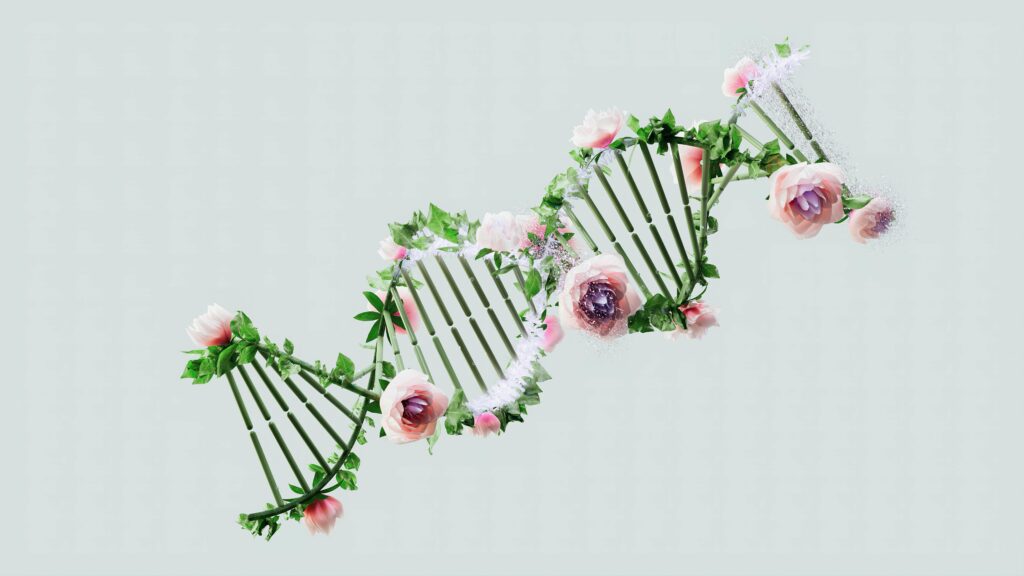
At the ends of your chromosomes are tiny protective caps called telomeres. Think of them like the plastic tips on your shoelaces—when they’re intact, everything holds together nicely.
But every time your cells divide, those telomeres get a little shorter.
When they get too short? The cell either stops functioning or dies.
Fun.
Research led by Elizabeth Blackburn (who won a Nobel Prize, so she’s not guessing) found that chronic stress accelerates telomere shortening—basically fast-forwarding your biological aging.
So yes… that stressful week? Your cells noticed.
2 Stress Doesn’t Just Age You—It Ages You Faster Than Time
A landmark study out of the University of California looked at mothers caring for chronically ill children.
What they found was shocking:
These women showed telomere shortening equivalent to about 10 extra years of aging compared to less-stressed peers.
Not from physical work.
Not from lack of sleep alone.
From perceived stress.
Translation: your body reacts not just to what’s happening—but to how threatened you feel.
3 Your Mind Can Literally Turn Aging On… or Off
Here’s where it gets interesting (and slightly empowering).
Your body produces an enzyme called telomerase, which can actually help rebuild and lengthen telomeres.
Basically, your body has a built-in anti-aging repair crew.
But chronic stress? It tells that crew to take an extended vacation.
Studies show that high stress and anxiety levels are associated with lower telomerase activity, while relaxation practices can increase it.
So no, “just relax” isn’t great advice…
But scientifically speaking, your cells would appreciate the effort.
4 Fight-or-Flight Is Meant to Be Temporary—Not a Lifestyle
Your nervous system has two main modes:
• Fight-or-flight (stress, survival, panic mode)
• Rest-and-digest (repair, recovery, healing mode)
The problem? Many people are living in fight-or-flight like it’s a full-time job with overtime.
And your body believes you.
When you’re constantly in that state, your body prioritizes survival over repair—which means:
• Increased inflammation
• Faster cellular aging
• Weaker immune function
Basically, your body is too busy “running from a tiger” to fix anything.
Even if the tiger is just your inbox.
5 Controlled Stress Can Actually Help You (Yes, Really)
Not all stress is bad.
There’s something called hormetic stress—small, controlled stressors that actually strengthen your body.
Think:
• Exercise
• Cold exposure
• Breathwork
• Intermittent hypoxia (brief, controlled low-oxygen states)
These stressors trigger adaptive responses that improve resilience and repair mechanisms.
Some research (including studies out of Cambridge) shows that certain breathing techniques can shift the brain into states similar to deep meditation—activating recovery pathways quickly.
So the goal isn’t zero stress.
It’s the right kind of stress, followed by recovery.
6 Your Brain State Is Telling Your Cells What to Do
Here’s a thought that might change how you see your day:
Your cells are listening to your nervous system like it’s a boss giving instructions.
If your brain is constantly signaling:
“There’s danger. Stay alert. Don’t relax.”
Your body responds by:
• Slowing repair
• Increasing wear and tear
• Burning through resources faster
But when your brain signals safety?
Everything shifts.
• Repair processes turn on
• Inflammation decreases
• Cellular regeneration improves
Peace isn’t just a feeling—it’s a biological command.
7 You Can Start Reversing the Damage Faster Than You Think
This is the part people don’t expect:
You don’t need a year-long retreat in the mountains to start helping your cells.
Studies show improvements in stress biomarkers (including telomerase activity) from simple practices like:
• Meditation (even 10–20 minutes daily)
• Breathwork
• Regular movement
• Strong social connections
• Quality sleep
In fact, some interventions have shown measurable cellular changes in as little as 8 weeks.
Your body is incredibly responsive—when you give it the signal.
Stress isn’t just something you “deal with.” It’s something your body translates into biological action—right down to your DNA. But the story doesn’t end there. The same system that accelerates aging under pressure can also slow it down, repair it, and even reverse some of the damage when given the right conditions. You are not just aging because time is passing—you are aging based on how your body experiences your life. And that means you have more influence than you think.
At MindBodySpiritLife.com, we’re here for the science, the soul, and everything in between. Come back often, bring your curiosity, and let’s keep learning how to live better—together.