
8 Herbs that Power Your Natural Detox to Cleanse and Renew
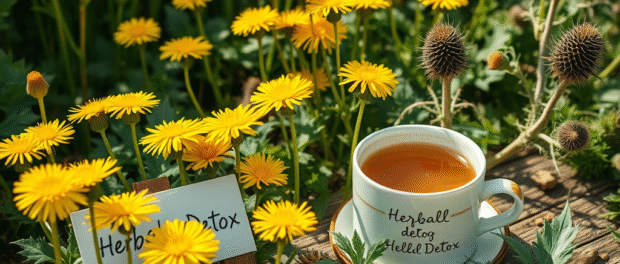
Let’s talk about detox — not the crash-diet kind, but the kind that happens quietly inside you, every single day. Your liver, kidneys, and digestive system already know how to process and eliminate toxins; they’ve been doing it since you were born. What you can do is support them gently, consistently, and joyfully.
Think of the following herbs as allies rather than harsh cleansers. They offer nutrients, promote healthy elimination pathways, and help your body perform its everyday housekeeping. They also come with centuries of lore, modern research, and the kind of warmth and encouragement you appreciate. So make yourself comfortable, pour a cup of herbal tea, and let’s dive into a delicious, 10‑minute journey through nature’s detox pantry.
1. Dandelion — The Feisty Yard Weed With a Superpower
Nature’s Unexpected Ally
If a plant can survive lawnmowers and pesticides, it probably has something special going for it. Dandelions might annoy homeowners, but herbalists and nutritionists see them as a treasure trove. Every part of the plant — leaves, flowers, and roots — is edible and packed with nutrients. Dandelions contain vitamins A, C, and K, as well as minerals like potassium and calcium. The roots, in particular, contain inulin, a prebiotic fiber that feeds beneficial gut bacteria, supporting digestion and immune health.
The Cleveland Clinic notes that dandelion tea acts as a gentle diuretic, “nudging the liver and bile systems into gear”. The root has a stronger detoxifying effect on the liver than the leaves, helping to increase bile production and promote waste elimination. Researchers have also found that dandelion is rich in polyphenols and beta‑carotene, potent antioxidants that reduce inflammation and oxidative stress.
How to Use
- Leaves: Add fresh young leaves to salads or smoothies for a slightly bitter, mineral-rich boost.
- Roots: Roast and grind the roots for a caffeine-free “coffee.” You can also simmer them for a tea or add them to broth.
- Flowers: Infuse the flowers in oil for a skin-soothing salve or toss them into batter for fritters.
Words of Encouragement
Think of dandelion as a reminder that resilience often comes from the most unexpected places. If a “weed” can be a liver hero, your own rough edges might be hiding untapped gifts. Embrace the bitter and the sweet, and let your inner detox team do its thing — with a smile and a cup of dandelion brew.
2. Milk Thistle — The Liver’s Bodyguard
Ancient Wisdom Meets Modern Science
Milk thistle has been used for more than 2,000 years as a remedy for liver and gallbladder ailments. Its prickly leaves contain white veins that look like milk — hence the name. The seeds are rich in silymarin, a complex of flavonoids that have both antioxidant and anti-inflammatory properties.
Silymarin acts like a bodyguard for your liver. It’s said to prevent toxins from attaching to liver cells and helps neutralize free radicals. Some research suggests it promotes cell repair, easing inflammation and potentially aiding recovery from liver conditions such as fatty liver disease and cirrhosis. Although studies are mixed, the long history of use and promising research make milk thistle a popular supplement for liver support.
How to Use
- Tea: Steep crushed seeds in hot water for 10–15 minutes. The flavor is mild and slightly sweet.
- Tincture: A few drops of milk thistle extract can be taken daily under the tongue or added to water.
- Supplements: Capsules are widely available, but talk to your healthcare provider before starting any new supplement, especially if you’re on medications.
Gentle Reminders
Your liver is a powerhouse — detoxifying chemicals, processing hormones, and storing nutrients. Milk thistle isn’t magic, but it can be a supportive friend. As you sip your tea, thank your liver for its tireless work, and consider saying no to that extra cocktail. Kindness to your body is a form of self-respect, not deprivation.
3. Burdock Root — The Deep‑Digging Detoxer
A Root With Reach
Burdock is that plant with burrs that cling stubbornly to your clothes after a hike. But dig up the root, and you’ll find a treasure. In traditional herbal medicine, burdock root is considered an “alterative” — a substance that helps cleanse the blood by aiding the elimination of wastes and toxins. Herbalists note that burdock detoxifies metabolic waste through the urinary and digestive systems and is understood to “purify the blood by drawing out toxins and reducing inflammation”.
The root is rich in inulin (prebiotic fiber), which feeds beneficial gut bacteria. It also contains antioxidants like quercetin and phenolic acids. Some studies suggest burdock may help lower blood sugar and inhibit certain cancer cells, though research is primarily in animals. Modern herbalists often combine burdock with dandelion root for a gentle, comprehensive detox.
Culinary Uses
- Stir-fries and soups: In Japanese cuisine, burdock (called gobo) is sliced thin, sautéed, and paired with soy sauce and sesame oil.
- Tea: Simmer dried root slices for 15–20 minutes. The taste is earthy and slightly sweet.
- Pickles: Pickled burdock root adds crunch and tang to salads or rice bowls.
Cautions and Encouragements
Burdock is potent — its ability to draw toxins out of the tissues into circulation can temporarily aggravate skin conditions before things improve. Start with small doses and increase gradually. And remember: detox is not a purge; it’s a process. Give your body time, drink plenty of water, and celebrate the fact that you’re supporting deep, systemic cleansing without the drama.
4. Parsley — More Than a Garnish
The Underrated Powerhouse
That sprig on your plate? It’s far more than decoration. Parsley is loaded with vitamins A, C, and K, as well as folate and iron. It’s also rich in flavonoids like apigenin and myristicin. These compounds have antioxidant, anti-inflammatory, and antibacterial properties.
Parsley is a mild diuretic, meaning it increases urine output and helps flush toxins and excess fluids. Historical texts record its use for urinary tract infections and kidney stones. A 2025 evidence-based review highlights its ability to protect the kidneys, heart, and immune system. Parsley tea or juice can help cleanse the urinary tract and support bladder health.
Everyday Uses
- Tea: Chop fresh parsley and steep in hot water for 5–10 minutes. Add lemon for brightness.
- Smoothies: Blend a handful of parsley into green smoothies for a mineral boost.
- Pesto: Swap basil for parsley to create a detox-friendly pesto rich in chlorophyll and antioxidants.
- Juice: Juice parsley with cucumber, lemon, and apple for a fresh, hydrating drink.
Cautions and Encouragements
While parsley is generally safe, those with kidney disease or taking certain medications should avoid high doses (it can increase urine output). Pregnant people should consult a healthcare provider before consuming large amounts. Within moderation, parsley is your friend: it’s like a tiny broom sweeping your kidneys and bladder, reminding you that small, consistent actions can make a big difference.
5. Nettle — The Stinging Superstar
From Sting to Strength
If you’ve brushed against stinging nettle, you know its leaves are armed with tiny hairs that cause irritation. But once dried or cooked, nettle transforms into one of the most nourishing plants around. It’s rich in vitamins A, C, and K, plus minerals like iron, magnesium, and calcium. Herbalists classify nettle as a diuretic, helping to eliminate waste through the kidneys and urine. It’s considered a “spring tonic,” helping detoxify and nourish the body after a long winter.
Nettle seeds are known as a kidney and adrenal tonic, supporting the urinary system and helping build resilience to stress. The leaves also facilitate the excretion of toxic substances while replenishing nutrients. Because nettle is mineral-rich, it’s often used to treat anemia and support recovery from illness. Nettles even have antihistamine properties, making them helpful for allergies.
Practical Uses
- Tea: Steep dried leaves in hot water for 10 minutes. The result is green, grassy, and deeply nourishing.
- Soup: Combine nettles with potatoes, onions, and stock for a creamy spring soup. Cooking deactivates the sting.
- Hair rinse: Nettle infusion can strengthen hair and soothe the scalp.
- Tincture: A nettle seed tincture is considered a kidney tonic; consult an herbalist for dosing.
Gentle Reminders
Yes, nettle stings when fresh. But that sting is part of what makes it powerful — it reminds us that transformation often involves a little discomfort. Cooking and drying eliminate the sting, revealing the plant’s nutritional gifts. When life pricks you, remember nettle’s lesson: patience and preparation can turn pain into strength.
6. Ginger — Warming and Circulating
The Spicy Spark
Ginger has been used for millennia in traditional medicine and cuisine. Its warm, zesty flavor comes from gingerol and related compounds, which have potent anti-inflammatory effects. According to Chesapeake Health Care’s heart-health series, gingerol can improve blood circulation and lower blood pressure. It also aids digestion by reducing nausea and promoting nutrient absorption.
Ginger’s digestive benefits stem from its ability to stimulate gastric motility — the rate at which food moves from the stomach into the intestines. It helps relieve bloating and gas and is widely used to ease nausea from morning sickness, chemotherapy, and motion sickness. Ginger is also antioxidant-rich, helping manage free radicals that damage cells.
Ways to Enjoy
- Tea: Slice fresh ginger and simmer in water for 10–15 minutes. Add lemon and honey if desired.
- Cooking: Grate ginger into stir-fries, curries, and baked goods.
- Smoothies: Add a thumb of ginger to fruit or green smoothies for a zingy kick.
- Compress: Apply warmed ginger slices over sore muscles to soothe tension.
A Note of Caution
Ginger is generally safe in culinary amounts, but large doses can interact with blood-thinning medications. If you’re on anticoagulants or about to have surgery, talk to your healthcare provider before taking ginger supplements. For the rest of us, ginger is like that friend who warms you up, gets you moving, and tells the best jokes. Let it inspire you to keep your energy flowing.
7. Cilantro — The Controversial Chelator
Culinary Herb, Potential Chelator
Cilantro (also known as coriander leaf) divides people by taste — you either love its citrusy, soapy flavor or you avoid it. Beyond culinary uses, cilantro has gained attention for its purported ability to chelate heavy metals. Research on heavy metal detox diets suggests that certain foods, including cilantro, may bind to metals and help transport them out of the body. In animal studies, cilantro decreased lead absorption into bone.
However, human trials are less convincing. One study noted that cilantro extract performed no better than a placebo at increasing lead excretion. Medical News Today concludes that while cilantro may help, evidence is limited and it should not replace medical chelation therapy.
Culinary and Medicinal Uses
- Fresh garnish: Add cilantro to salsa, tacos, soups, and salads for a fresh flavor and nutrient boost.
- Green juices: Blend cilantro with apple, cucumber, and lime for a detox smoothie.
- Pesto: Combine cilantro with pumpkin seeds, garlic, and olive oil for a unique twist on pesto.
- Tincture: Some herbalists use cilantro tincture as part of a heavy metal detox protocol, but it should be done under professional supervision.
Balanced Perspective
It’s tempting to believe that eating a handful of cilantro will pull mercury out of your brain. Unfortunately, science doesn’t support such dramatic claims. Cilantro is a nutritious herb that may offer mild chelating effects, but it’s best enjoyed for its flavor and antioxidant content. As you enjoy cilantro-laced guacamole, remember: detox is a marathon, not a sprint. Trust the slow, gentle processes — and consult professionals for serious detox needs.
8. Red Clover — The Lymphatic Lover
A Blossom of Many Gifts
Red clover’s pinkish-purple flowers have been valued in both folk and formal herbal medicine. Traditionally, it’s considered an “alterative” and a mild lymphatic — meaning it supports the body’s waste-removal systems. One herbalist notes that red clover is “a great detoxification herb that purifies the blood, clears out the lymph system, and replaces waste with nutrients like calcium, nitrogen, and iron”. This detoxifying action also supports skin health: red clover is commonly included in formulas for eczema, psoriasis, and acne.
Red clover contains isoflavones (phytoestrogens) that may modulate hormone levels. Some studies have shown that red clover extracts can reduce hot flashes and other menopausal symptoms. It’s also being studied for metabolic syndrome, insulin resistance, and cardiovascular health. However, caution is advised for people with hormone-sensitive conditions.
Preparation and Use
- Tea: Steep 1–2 tablespoons of dried red clover blossoms in hot water for 10–15 minutes. The flavor is mild and sweet.
- Infusion: For a mineral-rich infusion, steep 4 tablespoons of red clover in a quart of hot water overnight.
- Tincture: Add drops of tincture to water or tea for lymphatic support, but consult an herbalist for dosing.
- Salad: Fresh blossoms can be eaten raw, sprinkled on salads, or added to baked goods.
Considerations
Red clover is generally safe but may interact with blood thinners or hormone therapies. Avoid wilted flowers; they can contain coumarins (blood-thinning compounds). Red clover’s alterative and lymphatic properties remind us that detox isn’t just about the liver and kidneys; your lymphatic system — that network of vessels and nodes — plays a key role in immune function and waste removal. Supporting it with red clover is like clearing traffic jams so your body can run smoothly.
Bringing It All Together: Holistic Detox, Mind‑Body‑Spirit Style
Herbal detox isn’t about dramatic flushes or punishing regimes. It’s about partnering with plants that have been supporting human health for centuries. Each herb above brings its own gifts:
- Dandelion gently supports liver and bile flow.
- Milk thistle shields and repairs liver cells.
- Burdock root draws toxins from the blood.
- Parsley sweeps your kidneys and bladder.
- Nettle nourishes and detoxifies through the kidneys and lymph.
- Ginger warms, circulates, and aids digestion.
- Cilantro flavors your food and may offer mild chelation.
- Red clover purifies the blood and lymph while supporting hormone balance.
Lifestyle Tips for Detox Success
- Hydration: Water is the original detox agent. Aim for eight glasses a day, more if you’re drinking diuretic herbs.
- Fiber: Eat plenty of fruits, vegetables, whole grains, and seeds. Fiber binds toxins and helps move them out.
- Movement: Exercise promotes circulation and lymphatic flow. Even a daily walk or gentle yoga supports detox.
- Sleep: Your body heals and detoxifies during deep sleep. Aim for 7–9 hours a night.
- Mindfulness: Stress produces toxic byproducts, too. Meditation, breathwork, or journaling can calm your nervous system and support whole-body detox.
Final Thoughts and Invitation
If you love mind‑body‑spirit tools that actually work in real life — the kind that help you feel calmer, stronger, and more like yourself — visit MindBodySpiritLife.com for more uplifting, practical articles you can share, save, and come back to whenever you need a reset.
You’ve got this. Your body knows what to do. All you’re doing is choosing herbs and habits that make the job easier — and maybe tasting delicious along the way.