The Surprising Top 10 Natural Anxiety Busters

Anxiety isn’t a personal failure. It’s a biological signal—often a well-meaning one—that your nervous system thinks it’s protecting you from a saber-toothed tiger that absolutely does not exist. The good news? Your body already comes equipped with built-in ways to turn the alarm down. You just have to use them.
Below are ten natural anxiety busters that actually work—some obvious, some wildly underrated, all backed by how the human nervous system really functions.
1. Slow Nasal Breathing (Not Deep—Slow)
Breathing through your nose at a slower pace directly stimulates the vagus nerve, shifting your body out of fight-or-flight and into regulation. Mouth breathing tells your brain something is wrong. Nasal breathing tells it you’re safe.
If anxiety were a volume knob, slow nasal breathing is the hand quietly turning it down.
2. Walking (Especially Outside)
Walking is one of the most effective nervous-system resets available. It uses bilateral movement (left-right, left-right), which the brain interprets as forward progress rather than threat. Bonus points if there’s sunlight involved.
Your body calms down when it remembers it can move forward instead of freeze.

3. Magnesium (The Mineral of Calm)
Magnesium helps regulate neurotransmitters involved in stress response and muscle tension. Low magnesium is strongly associated with anxiety, irritability, and sleep disruption—and modern diets are famously low in it.
Sometimes anxiety isn’t emotional—it’s nutritional.
4. Gentle Pressure (Weighted Blankets, Hugs, Compression)
Deep pressure stimulation signals safety to the nervous system, lowering cortisol and increasing serotonin. This is why babies calm when swaddled and adults calm when hugged—your body hasn’t changed as much as you think.
Security isn’t a mindset—it’s a sensation.
5. Cold Water on the Face
A splash of cool water triggers the mammalian dive reflex, instantly slowing heart rate and interrupting panic loops. It’s not pleasant, but it’s wildly effective.
Cold water doesn’t erase anxiety—it interrupts it long enough for logic to return.
6. Reducing Caffeine (Yes, Really)
Caffeine increases cortisol and adrenaline. For anxious nervous systems, it’s like pouring gasoline on a campfire and wondering why everything feels intense. Even cutting back slightly can make a noticeable difference.
If your hands shake and your thoughts race, coffee might be lying to you.
7. Rhythmic Movement (Swaying, Rocking, Stretching)
Repetitive, rhythmic movement signals safety to the brain. This is why people naturally rock when distressed and why yoga, tai chi, and slow stretching calm anxiety more effectively than high-intensity workouts for some people.
Your nervous system loves rhythm more than motivation.
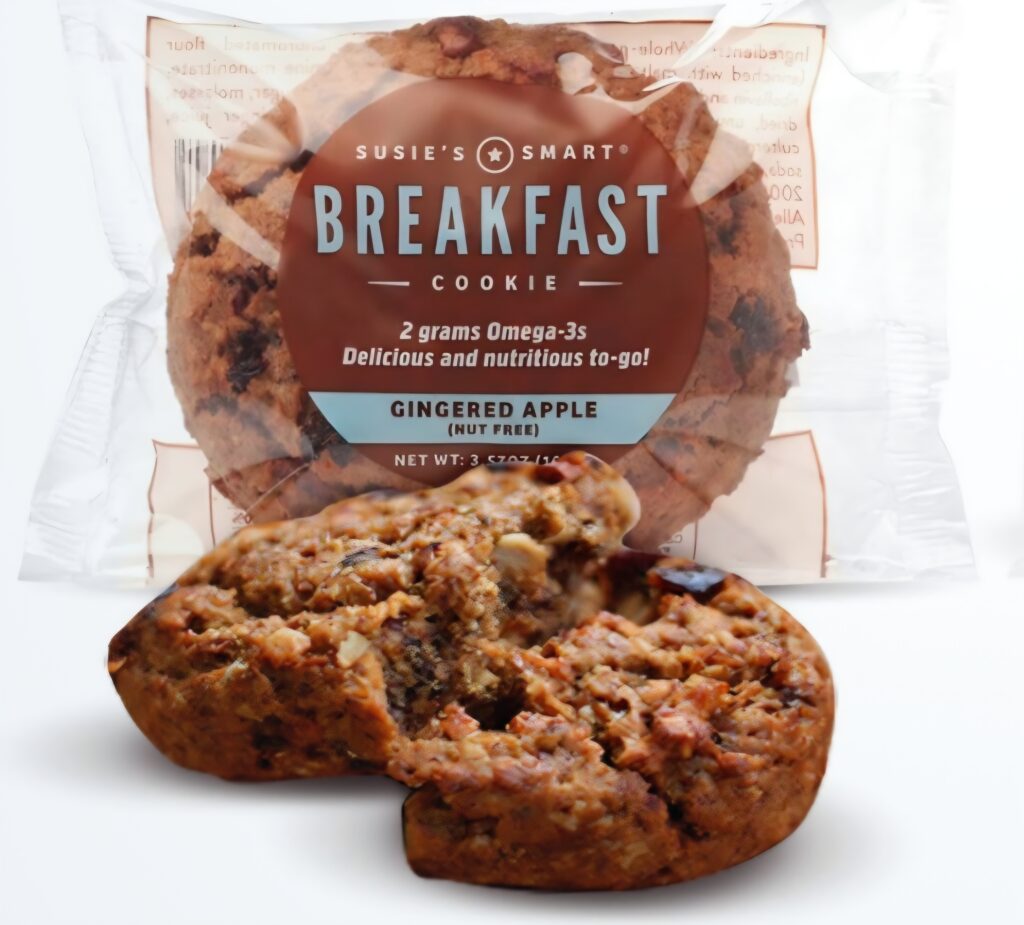
8. Protein at Breakfast
Blood sugar instability mimics anxiety almost perfectly: racing heart, dizziness, irritability, fear. Starting the day with protein stabilizes glucose and reduces the chance of a false alarm later.
Sometimes anxiety is just hunger wearing a dramatic costume.
9. Limiting News and Doom-Scrolling
Your nervous system does not understand the difference between direct danger and repeated exposure to threatening information. Constant alerts keep your stress response activated even when you’re physically safe.
Peace isn’t ignorance—it’s selective attention.
10. Letting the Body Finish Stress
Anxiety often lingers because stress responses are interrupted instead of completed. Shaking, sighing, yawning, stretching, or even crying allows the nervous system to discharge stored tension.
Healing happens when the body is allowed to finish what it started.
The Bigger Truth About Anxiety
Anxiety is not a character flaw, a lack of faith, or a failure of willpower. It’s communication. And when you respond to it with physiology instead of judgment, it softens.
You don’t need to eliminate anxiety to live well. You just need to stop fighting your body and start working with it.
For more science-backed wellness insights that honor the intelligence of the human body, visit MindBodySpiritLife.com often—and let healing feel a little more human.