9 Fascinating Reasons ELDOA Is Becoming the Stretching Method Yoga Lovers Can’t Stop Talking About
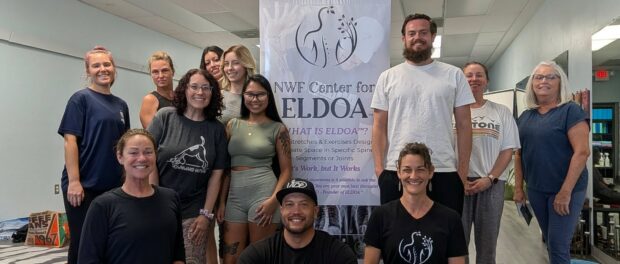
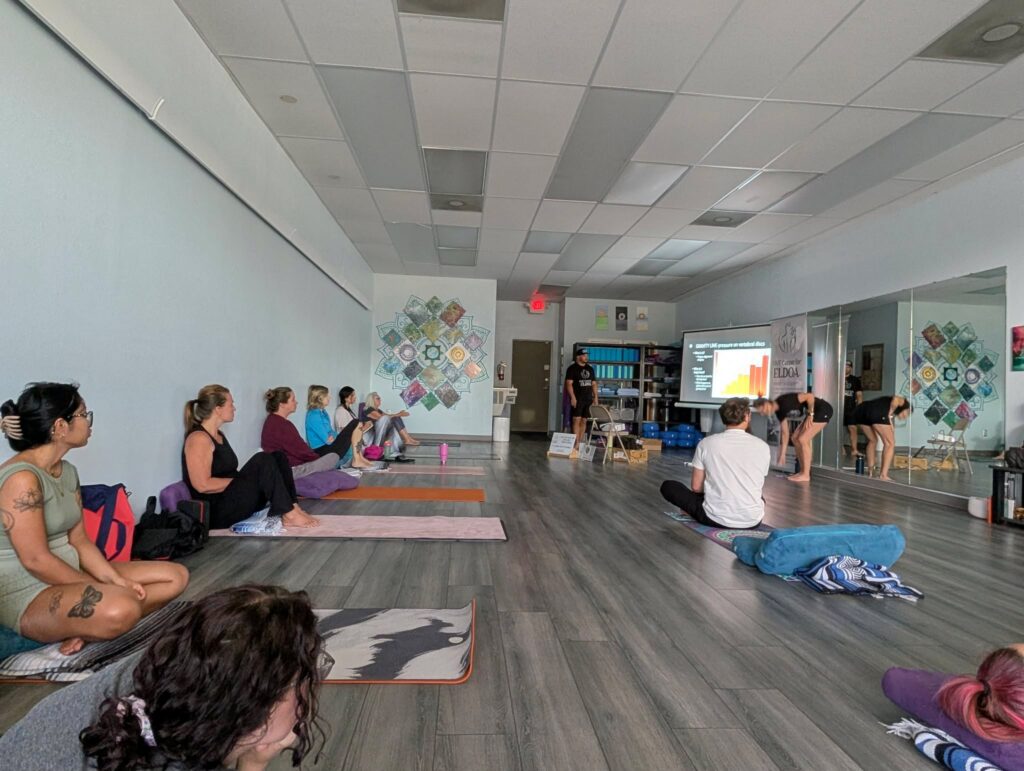
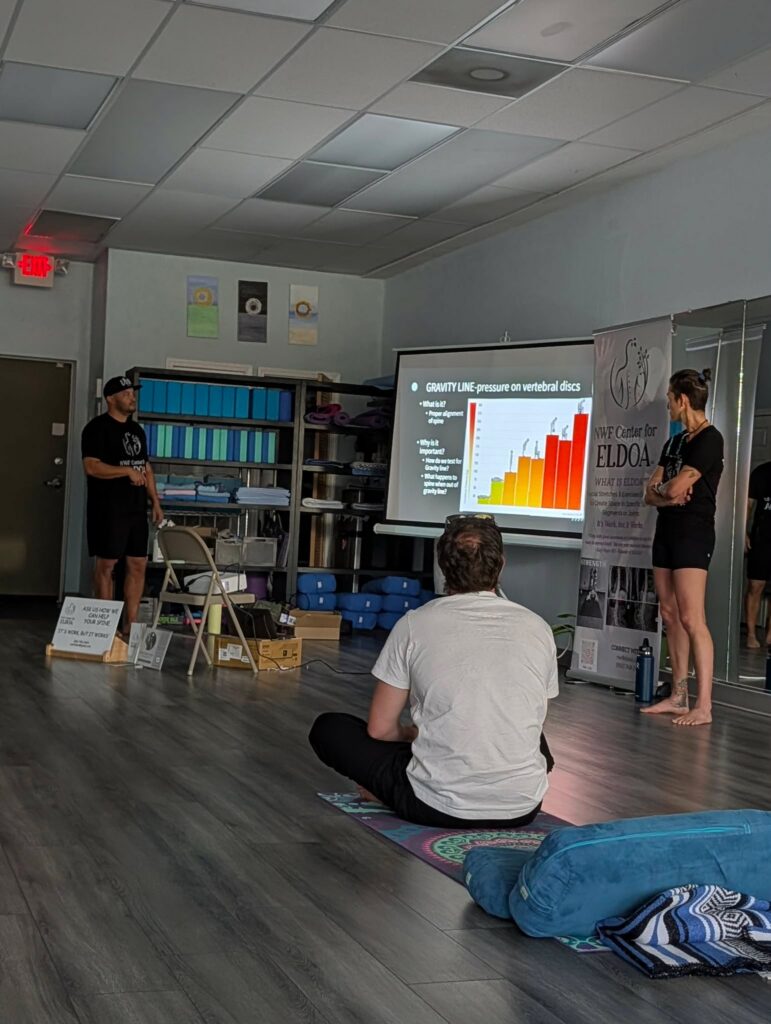
You know a stretching method is different when people finish a class looking both deeply relaxed and mildly confused… like they just got taller, decompressed their spine, and emotionally reset after holding a position that looked suspiciously simple.
Welcome to the world of ELDOA.
If you were in yoga school today wondering why everyone suddenly looked like human geometry projects while breathing intensely into their rib cages, you’re not alone. ELDOA has quietly become one of the most talked-about movement methods in the wellness world, especially among yoga teachers, athletes, chiropractors, physical therapists, and people whose lower backs sound like microwave popcorn every time they stand up.
And unlike many trendy wellness fads that disappear faster than a New Year’s gym membership, ELDOA actually has anatomy, biomechanics, and science backing much of its growing popularity.
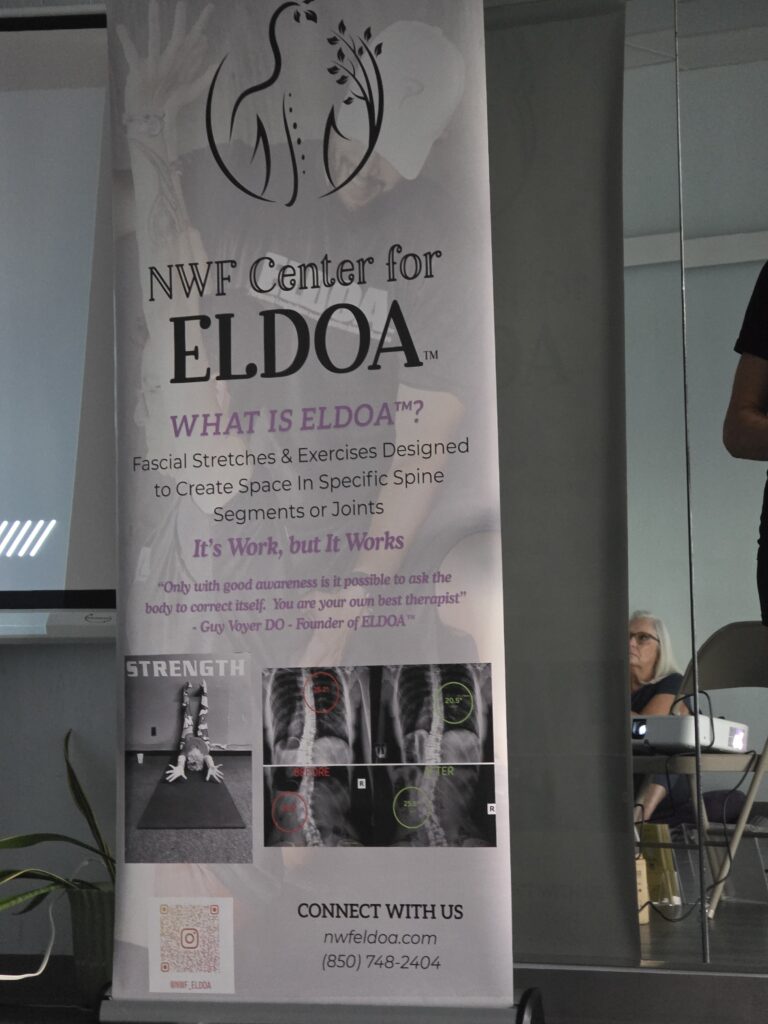
What Exactly Is ELDOA?
ELDOA stands for:
Étirements Longitudinaux avec Décoaptation Ostéo-Articulaire
Which is French because apparently regular stretching terms weren’t intimidating enough.
In English, it roughly translates to:
Longitudinal Osteo-Articular Decoaptation Stretches
Or more simply:
“Specific postures designed to create space between joints and decompress the spine.”
The method was created by Guy Voyer, a French osteopath and former Olympic team doctor who developed the system after decades studying biomechanics, fascia, posture, spinal health, and human movement.
And honestly? The man looked at the human body and basically said:
“What if stretching could be way more specific… and slightly more dramatic?”
ELDOA Isn’t “Just Stretching”
This is where people get surprised.
Most stretching focuses on muscles.
ELDOA focuses heavily on:
- Fascia
- Joint decompression
- Spinal space
- Neurological tension
- Postural balance
- Breath mechanics
- Deep stabilizing muscles
Instead of casually reaching for your toes while thinking about tacos, ELDOA requires total-body tension, precision, breathing control, and intense awareness.
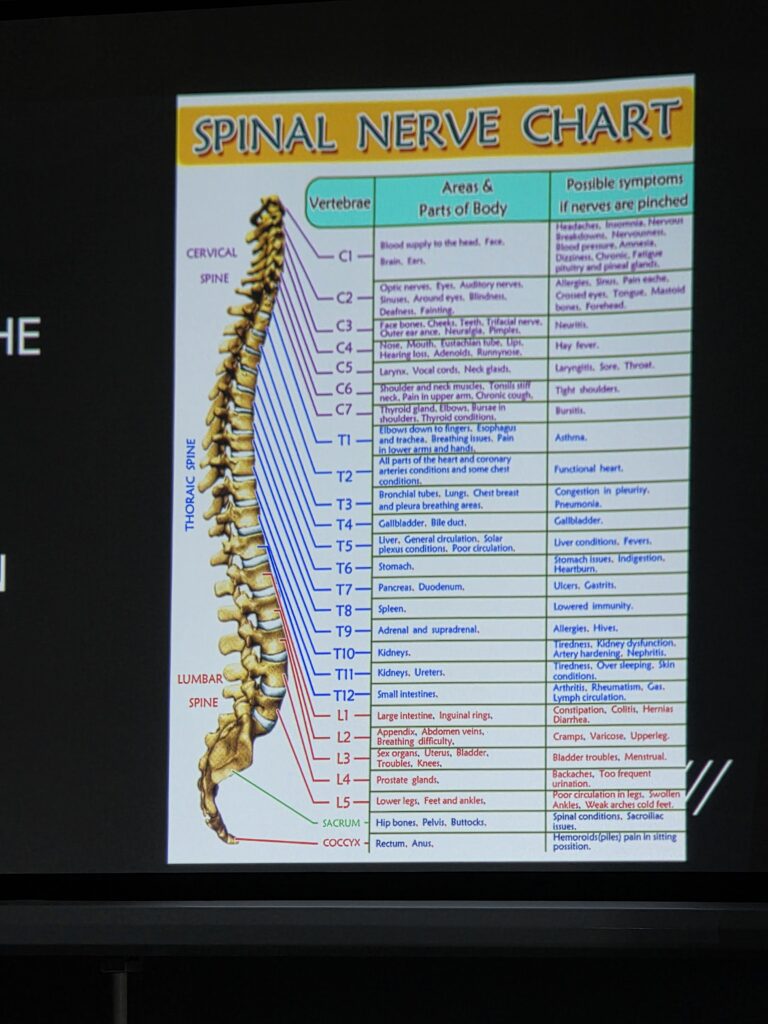
The positions are designed to target specific spinal segments.
Yes… specific spinal segments.
Like:
- L5-S1
- T6-T7
- C4-C5
Basically, ELDOA said:
“Generic stretching? We don’t know her.”
The Fascinating Fascia Connection
One reason ELDOA has exploded in popularity is because of the growing scientific interest in fascia.
Fascia is the connective tissue web surrounding muscles, nerves, joints, organs, and bones. For decades, it was largely overlooked. Now researchers increasingly recognize it as critical for movement, stability, hydration, and even pain perception.
A review published in the Journal of Bodywork and Movement Therapies discussed fascia as a major sensory organ involved in proprioception and movement awareness. Researchers have found fascia contains far more nerve endings than previously believed.
That matters because ELDOA heavily emphasizes fascial tension lines throughout the body.
Instead of isolating one muscle, the method creates full-body chains of tension designed to influence posture and joint spacing.
Which explains why a single ELDOA posture can feel like:
- Yoga
- Physical therapy
- Meditation
- A wrestling match with your hamstrings
- An existential life lesson
…all at the same time.
Your Spine Loves Space More Than You Think
One of ELDOA’s biggest claims is spinal decompression.
And interestingly, science does support the idea that spinal loading and decompression affect disc health.
Research published in Spine and other orthopedic journals has shown that spinal discs rely on movement and pressure changes for nutrient exchange and hydration. Too much compression over time may contribute to degeneration and discomfort.
ELDOA aims to create temporary space within joints and discs through active positioning.
Some practitioners report improvements in:
- Back pain
- Posture
- Flexibility
- Athletic recovery
- Neck tension
- Body awareness
- Balance
- Breathing patterns
And while more large-scale studies specifically on ELDOA are still needed, decompression-based movement systems continue gaining attention in rehabilitation and sports medicine settings.
Why ELDOA Feels So Weirdly Hard
If you tried it today and thought:
“Why is this harder than hot yoga, leg day, and paying taxes combined?”
There’s a reason.
ELDOA uses:
- Isometric contractions
- Precise alignment
- Active fascial engagement
- Breath control
- Neuromuscular focus
The positions often look deceptively simple.
Then 15 seconds later your entire nervous system starts filing complaints.
Because the method activates deep stabilizers and postural muscles many people rarely use consciously.
A study in Frontiers in Physiology noted that posture-based neuromuscular training can significantly influence muscular coordination and proprioception.
In other words:
your body suddenly realizes it has muscles hiding in places it forgot existed.
Athletes Are Obsessed With It
Professional athletes and movement specialists increasingly use ELDOA-style techniques because mobility and recovery are now viewed as essential for performance.
Research consistently shows mobility training may help:
- Improve range of motion
- Reduce injury risk
- Improve movement efficiency
- Enhance recovery
A systematic review in the International Journal of Sports Physical Therapy found flexibility and mobility interventions can positively impact athletic performance and musculoskeletal health when applied correctly.
And honestly, athletes eventually learn an important truth:
You can’t dominate physically if your spine feels like a stack of stale crackers.
The Breathing Component Is Sneakily Powerful
One thing many people don’t expect is how intense the breathing becomes.
ELDOA uses very intentional breathing patterns to help create tension, stability, and fascial engagement.
And science increasingly shows breathwork affects:
- Stress levels
- Nervous system regulation
- Heart rate variability
- Muscle tension
- Pain perception
Research from Stanford and other institutions has shown controlled breathing practices can rapidly influence the autonomic nervous system and stress response.
So while you’re sitting there trembling in a spinal decompression posture wondering why your soul left your body…
…your nervous system may actually be calming down.
Which feels deeply unfair somehow.
ELDOA and Yoga Actually Make a Lot of Sense Together
Yoga practitioners often fall in love with ELDOA because the systems complement each other beautifully.
Yoga develops:
- Awareness
- Flexibility
- Breath connection
- Balance
- Presence
ELDOA adds:
- Joint specificity
- Spinal mechanics
- Fascial precision
- Postural decompression
- Segmental targeting
Together, they create an interesting blend of:
“ancient wisdom meets modern biomechanics.”
Which is basically the wellness version of peanut butter meeting chocolate.
The Wellness World Is Shifting Toward Smarter Movement
For years, fitness culture obsessed over:
- Intensity
- Burning calories
- Going harder
- Destroying yourself for results
Now the pendulum is shifting toward:
- Longevity
- Recovery
- Nervous system health
- Joint preservation
- Functional movement
- Fascia health
And honestly?
Your future self may care less about six-pack abs and more about being able to pick something up at age 70 without making velociraptor noises.
That’s one reason systems like ELDOA are gaining traction.
People are realizing mobility is not optional.
It’s infrastructure.
Final Thoughts
ELDOA may look unusual at first glance, but underneath the French terminology and oddly specific spinal angles is a fascinating movement system rooted in biomechanics, posture, fascia, decompression, and nervous system awareness.
And while it may not replace yoga, strength training, or other movement practices, many people find it becomes a powerful addition to them.
Because sometimes wellness isn’t about pushing harder.
Sometimes it’s about creating space.
Space in the spine.
Space in the breath.
Space in the nervous system.
Space in the body to actually move the way it was designed to.
And maybe that’s why people walk out of ELDOA classes looking slightly taller, strangely peaceful, and just a little emotionally attached to their vertebrae.
At MindBodySpiritLife.com, we love exploring the fascinating crossroads where science, movement, wellness, and ancient wisdom collide. Visit the site often for more uplifting, thought-provoking articles designed to help you feel stronger, healthier, more balanced, and maybe even a little more flexible… physically and mentally.
Thank you URU Yoga, Your Pace Yoga and NWF Center for Eldoa