
6 Benefits of Liposuction for Lymphedema
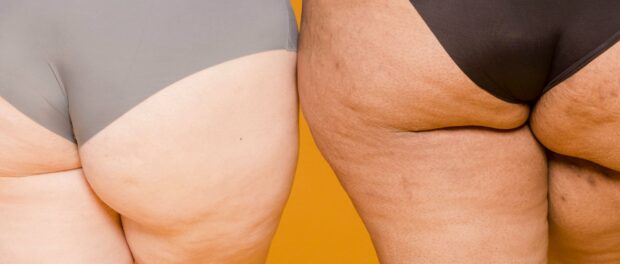
When most people hear “liposuction,” they picture cosmetic surgery and a stubborn patch of belly fat. But this procedure also has a medical role that deserves more attention: helping certain people with chronic lymphedema reduce the size of an affected arm or leg.
For someone living with persistent swelling, heaviness, and difficulty moving comfortably, that can mean much more than a change in appearance. It can mean getting dressed more easily, enjoying everyday activities, and feeling less weighed down by their own body.
The surprising part is what surgeons are removing. Although lymphedema begins with impaired lymph drainage and fluid buildup, longstanding disease can also lead to excess fatty tissue. Once that tissue develops, treating the fluid alone may leave substantial enlargement behind.
Specialized liposuction can address that part of the problem. It works best in carefully selected patients, and its benefits depend on continued compression and follow-up care.
Here are 6 ways it may help—and what makes those benefits possible.
1 It Removes Excess Fat That Fluid Treatments Cannot
The lymphatic system helps return excess tissue fluid to the bloodstream and supports immune function. When its drainage pathways are damaged or do not develop normally, fluid can accumulate, producing lymphedema.
Over time, persistent lymph stagnation and inflammation can stimulate the growth of fatty tissue beneath the skin. The affected limb may become increasingly firm and remain enlarged even after treatment reduces much of the movable fluid.
This helps explain why someone can faithfully wear compression, exercise, and attend therapy yet still have an arm or leg that stays considerably larger.
Fat tissue does not drain away like fluid. Unfortunately, it also does not respond to a strongly worded request.
The review Liposuction Treatment of Lymphedema, published in Seminars in Plastic Surgery, explains that liposuction removes this excess fatty tissue in chronic, nonpitting lymphedema. “Nonpitting” means pressing the tissue leaves little or no lasting indentation, a finding specialists use when assessing its composition.
That makes the procedure especially relevant when excess fat accounts for a substantial part of the remaining limb enlargement.
2 It Can Dramatically Reduce Excess Limb Volume
One of the strongest findings in the research is the degree of size reduction possible with specialized liposuction followed by controlled compression therapy.
A 2018 prospective study, Liposuction Gives Complete Reduction of Arm Lymphedema Following Breast Cancer Treatment, followed 105 women with chronic, nonpitting arm lymphedema. Before surgery, their affected arms had an average excess volume of approximately 1,573 milliliters compared with their unaffected arms.
At 5 years, the average reduction in that excess volume was 117%.
That number needs a little translation. It does not mean researchers removed 117% of an arm. It means the original size difference was eliminated on average, with treated arms becoming slightly smaller than the comparison arms.
These were selected patients receiving both surgery and ongoing compression. The results demonstrate what this treatment approach can achieve, rather than guaranteeing the same outcome for everyone.
3 It May Improve Physical Comfort and Function
A persistently enlarged limb can make ordinary activities demanding. Reaching, carrying, dressing, or moving through the day may require extra effort.
Reducing that burden can have benefits that show up in daily life.
In the study SF-36 Shows Increased Quality of Life Following Complete Reduction of Postmastectomy Lymphedema with Liposuction, researchers followed 60 women for 1 year after treatment. They used the SF-36, a standardized questionnaire that measures several aspects of health and well-being.
Participants reported improvements in physical functioning, bodily pain, and vitality during follow-up.
Those findings matter because a successful treatment should do more than produce an impressive measurement on a chart. It should help someone feel and function better.
Getting through normal activities with greater comfort is a meaningful health outcome—even when those activities involve nothing more glamorous than laundry and grocery bags.
4 It May Reduce Recurring Skin Infections
Lymphedema can be complicated by repeated bacterial skin infections, including cellulitis and erysipelas. These episodes can cause pain, redness, fever, and interruptions to everyday life.
Research suggests that liposuction combined with ongoing compression may reduce their frequency in some patients.
The study Liposuction of Postmastectomy Arm Lymphedema Decreases the Incidence of Erysipelas reported that infection rates fell from approximately 0.47 episodes per patient per year before treatment to 0.06 afterward—an 87% reduction.
That is an encouraging association, although a before-and-after study cannot establish how much of the improvement came from surgery versus compression and other aspects of care.
It also does not mean infection risk disappears. Skin care and timely treatment remain essential. New redness, warmth, pain, or fever in an affected limb calls for prompt medical assessment.
5 It Can Support Emotional and Social Well-Being
Living with lymphedema can take up considerable mental space. There are garments to manage, symptoms to monitor, appointments to attend, and activities that require planning.
Sometimes even getting dressed starts to feel like negotiating a peace treaty with your closet.
Improvements in limb size and symptoms may help ease some of that burden.
The 60-patient SF-36 study reported improvements in mental health and social functioning during the year after treatment, alongside physical benefits.
These findings do not suggest that appearance determines confidence or that surgery solves every emotional challenge. They show that treating a chronic physical condition can positively affect several parts of a person’s life.
Being more comfortable participating in social activities, moving through daily routines, and feeling at ease in one’s body are worthwhile outcomes in their own right.
6 Its Results Can Last for Years With Continued Care
A major question with any procedure is whether the improvement lasts.
Research offers encouraging evidence for sustained volume reduction when liposuction is paired with a structured compression program.
In addition to the 105-patient arm study, Complete Reduction of Leg Lymphedema After Liposuction followed 67 patients for 5 years. The researchers reported sustained elimination of excess leg volume on average with liposuction and controlled compression therapy.
That extends the evidence beyond breast cancer–related arm lymphedema and shows that selected patients with leg involvement may also benefit.
The essential detail is the ongoing care. These studies evaluated a treatment package: surgery, compression, and follow-up. The lasting results belong to that whole approach.
Who Is Most Likely to Benefit
Specialized liposuction is generally considered for longstanding lymphedema with substantial excess fatty tissue that remains after appropriate conservative treatment.
An assessment should establish how much of the enlargement comes from fluid versus fat, whether other treatments might help, and whether the patient can maintain the required compression routine.
The National Institute for Health and Care Excellence recommends specialist multidisciplinary selection and treatment in experienced centers. Medical liposuction for lymphedema involves specialized techniques and planning; experience with cosmetic liposuction alone does not establish expertise in this condition.
A useful consultation should cover expected improvement, surgical risks, recovery, garment costs, and long-term follow-up.
The Compression Commitment Matters
Liposuction reduces excess tissue, but it does not repair the underlying lymphatic drainage problem.
NICE guidance states that the procedure is not curative and that its effectiveness depends on lifelong compression. Garments help control fluid accumulation after the excess fat has been removed.
Think of surgery and compression as a team. One reduces the accumulated tissue; the other helps protect the result.
The procedure also carries risks, including bleeding, infection, pain, blood clots, and potentially serious complications such as fat embolism or fluid overload. A specialist should explain how those risks apply to the individual and how they will be managed.
For the right person, liposuction for lymphedema can offer substantial, lasting benefits: a smaller limb, improved comfort and function, fewer infection episodes, and better quality of life. The strongest evidence comes from carefully selected patients who continued their compression care, and many studies followed patients before and after treatment rather than comparing randomly assigned groups.
If persistent lymphedema is limiting your life, ask your care team whether a specialist surgical evaluation could expand your options. Understanding what is causing the remaining enlargement can help you have a more productive conversation about what comes next.
Visit MindBodySpiritLife.com often for thoughtful, research-informed conversations about caring for your body, mind, and spirit. Have a personal experience with lymphedema or a treatment journey that could encourage someone else? Consider contributing your story. Your experience may help another reader feel understood—and more confident asking for the care they need.
Let’s Inspire One Another.



Leave a comment