10 Reasons Yoga Classes End in Corpse Pose Including the Fact That You Symbolically Die
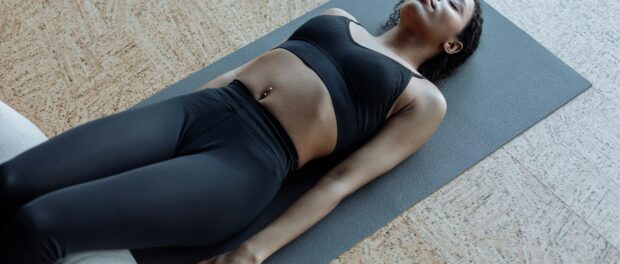
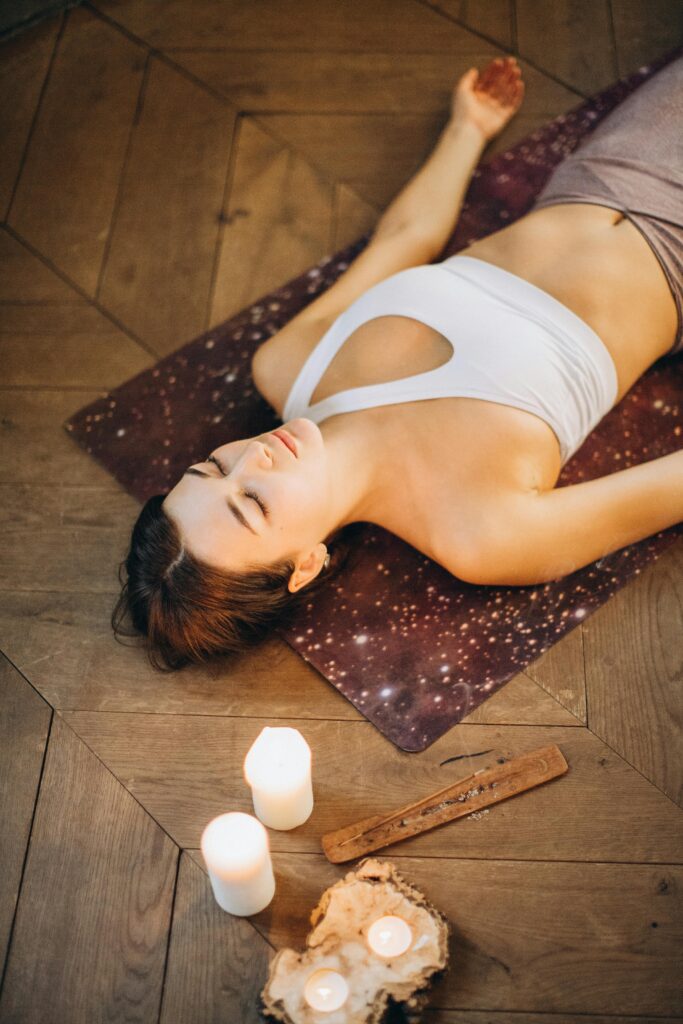
Every yoga class seems to end the same way. The music softens. The lights dim. Everyone lies flat on their back, arms relaxed, palms facing upward, looking suspiciously like a room full of extremely peaceful starfish.
This is Corpse Pose, also known as Savasana, and it might be the most misunderstood posture in all of yoga.
Many beginners think it is simply the nap portion of class. Others think it is the instructor’s clever strategy to keep everyone from running out the door early.
But Savasana is actually one of the most powerful and scientifically supported parts of yoga practice.
And yes, there is a reason it is called Corpse Pose.
Here are 10 reasons yoga classes end in Corpse Pose, including the slightly dramatic but surprisingly meaningful idea that you die at the end of every class and walk out a new person.
1. Your Nervous System Finally Switches Off Survival Mode
Modern life keeps many people locked in fight-or-flight mode. Emails, deadlines, traffic, notifications, and people who text “call me” instead of just telling you what they want.
Research published in the Journal of Behavioral Medicine shows yoga practices that include deep relaxation significantly increase parasympathetic nervous system activity, which slows heart rate, lowers blood pressure, and reduces stress hormones.
In simpler terms, Savasana tells your nervous system:
“You can relax now. The tiger chasing you through the grocery store has left the building.”
2. Your Brain Files Away Everything You Just Practiced
Movement scientists have discovered that rest improves learning and motor memory.
A study in Frontiers in Human Neuroscience found that short rest periods after learning physical movements help the brain consolidate those patterns faster.
So while you are lying there in Savasana thinking about tacos, your brain is quietly organizing everything your body just practiced.
Yoga class ends.
Your brain hits save.
3. Your Heart Rate and Blood Pressure Reset
Yoga has been shown in numerous studies to improve cardiovascular health, but the benefits increase when sessions include deep relaxation.
A large review in the European Journal of Preventive Cardiology found yoga programs reduced systolic blood pressure by an average of 5 mmHg, which may sound small but can reduce risk of heart disease and stroke.
Savasana allows the cardiovascular system to transition smoothly from movement to recovery.
Think of it as the cool-down lap for your heart.
4. Your Muscles Finally Get the Memo That the Workout Is Over
During yoga, muscles experience stretching, contraction, and circulation changes.
When you lie still in Savasana, your body shifts into recovery mode, increasing blood flow and oxygen delivery to tissues.
Sports medicine research shows recovery periods help reduce muscle soreness and fatigue.
So that five minutes of lying still is actually when your body starts collecting the benefits of everything you just did.
It is basically a spa day for your muscles.
5. Your Cortisol Levels Drop
Cortisol is the body’s primary stress hormone. Chronic high levels are associated with inflammation, anxiety, poor sleep, and weight gain.
A study published in the International Journal of Yoga found participants practicing yoga with relaxation phases experienced significant reductions in cortisol levels.
Lower cortisol improves mood, sleep, immune health, and overall well-being.
All from lying on the floor and pretending to be a calm, enlightened burrito.
6. It Helps Prevent Post-Workout Dizziness
Standing up too quickly after exercise can cause blood pressure to drop suddenly, leading to dizziness.
Savasana allows circulation to stabilize and the body to gradually transition back to upright movement.
This is why instructors often guide students to roll to one side before sitting up.
Yoga may promote peace and enlightenment, but fainting during the closing chant still tends to ruin the vibe.
7. Your Brain Enters a Creative and Restorative State
Relaxation activates the brain’s alpha wave activity, which is associated with calm focus and creativity.
Studies on meditation show these brain states improve problem solving, emotional regulation, and mental clarity.
This is why many people suddenly have their best ideas during Savasana.
Unfortunately, they also forget them the moment they reach their phone in the parking lot.
8. You Symbolically Die and Walk Out Renewed
This is where the name Corpse Pose becomes surprisingly meaningful.
In traditional yoga philosophy, Savasana symbolizes letting go of the old self. The effort, the stress, the tension, the mental chatter — all of it is released.
When you lie still, you are practicing the art of surrender.
Psychologists studying mindfulness practices have found that intentional states of deep relaxation can shift brain activity away from rumination and toward emotional reset.
In other words, your brain stops replaying yesterday’s problems and worrying about tomorrow’s.
For a few minutes, the old version of you disappears.
Then you slowly sit up.
You breathe.
And you walk out of the room a little calmer, a little clearer, and slightly more human than when you walked in.
In that sense, the symbolism is real.
At the end of class, the stressed version of you “dies,” and a renewed version walks out the door.
Which is honestly one of the best deals in wellness.
9. It Improves Mind-Body Awareness
Researchers at Harvard Medical School describe yoga relaxation practices as improving interoception, the ability to sense internal bodily signals.
Better interoception is linked to improved emotional regulation, stress resilience, and overall health.
Savasana is when the body and mind finally stop arguing and start working together.
For a few quiet minutes, everything lines up.
Breath.
Body.
Brain.
Peace breaks out.
10. Because Humans Are Terrible at Resting
Modern culture rewards constant productivity. People brag about how busy they are like it is an Olympic sport.
But research in recovery science shows that intentional rest improves productivity, focus, mood, and long-term health.
Savasana teaches one of the most valuable skills in wellness.
How to stop.
How to breathe.
How to exist without checking notifications.
For five minutes, there is nowhere to go and nothing to do.
And ironically, that may be the most healing part of the entire practice.
Because yoga is not only about stretching muscles or improving flexibility.
It is about creating moments where the body can recover, the mind can quiet, and the nervous system can remember what peace feels like.
And if that process feels a little like dying and being reborn at the end of every class…
Well, that is probably exactly the point.
MindBodySpiritLife.com
If you enjoy exploring the connection between mind, body, and spirit, visit MindBodySpiritLife.com often. Share your experiences, contribute your insights, and help inspire others who are walking their own path toward a healthier, more balanced life.