
A Guide to Creating and Maintaining a Successful Composting Pile
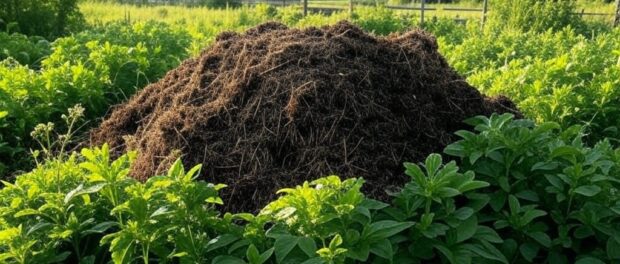
Composting is an excellent way to recycle organic waste, enrich the soil, and reduce the environmental impact of household waste. By transforming food scraps and yard waste into nutrient-rich compost, you can improve soil quality, enhance plant growth, and reduce the need for chemical fertilizers. This guide will take you through the essentials of building and maintaining a successful compost pile.
What is Composting?
Composting is the natural process of decomposition where microorganisms break down organic matter into a rich, soil-like material called humus. This process relies on a balance of carbon (browns) and nitrogen (greens), along with proper aeration and moisture levels.
Choosing a Composting Method
There are various methods of composting, each suited for different living situations and needs:
- Traditional Compost Pile – Best for those with ample outdoor space.
- Compost Bin or Tumbler – Great for small yards or urban settings.
- Vermicomposting – Uses worms to break down organic waste, ideal for indoor or small-scale composting.
- Bokashi Composting – A fermentation process that can handle meat and dairy waste.
Selecting a Location
The ideal composting location should be:
- Well-drained to prevent waterlogging.
- Partially shaded to maintain a stable temperature.
- Easily accessible for adding materials and turning the pile.
- Placed away from living areas to minimize odors.
Building Your Compost Pile
A balanced compost pile consists of four key elements:
1. Browns (Carbon-Rich Materials): These provide energy and structure to the compost.
- Examples: Dry leaves, straw, cardboard, shredded newspaper, sawdust.
2. Greens (Nitrogen-Rich Materials): These provide protein and moisture for microbes.
- Examples: Fruit and vegetable scraps, coffee grounds, grass clippings, manure (from herbivores only).
3. Water: A moist environment aids microbial activity.
- Keep the compost damp, similar to a wrung-out sponge.
4. Air (Oxygen): Proper aeration accelerates decomposition and prevents foul odors.
- Turn the pile regularly using a pitchfork or aeration tool.
Creating the Compost Pile
Follow these steps to start your compost pile:
- Layering: Alternate layers of browns and greens, starting with coarse materials like small branches for airflow.
- Moistening: Lightly water each layer if dry.
- Turning: Stir the pile every 1-2 weeks to promote decomposition.
- Monitoring Temperature: The ideal internal temperature is between 130-160°F (55-70°C). This helps kill pathogens and weed seeds.
Maintaining Your Compost
- Odor Control: If the compost smells bad, add more browns and turn it to increase airflow.
- Moisture Management: If too dry, add water; if too wet, mix in more dry browns.
- Pest Prevention: Avoid meat, dairy, and oily foods to deter rodents and insects.
- Patience: Composting can take anywhere from a few weeks to several months depending on the method used.
Knowing When Your Compost is Ready
Your compost is finished when:
- It is dark, crumbly, and has an earthy smell.
- It no longer resembles the original waste materials.
- The pile has cooled down and remains at ambient temperature.
Using Your Finished Compost
- Garden Beds: Mix into soil to improve fertility and structure.
- Mulch: Spread around plants to retain moisture and suppress weeds.
- Potting Mix: Blend with soil for container gardening.
- Lawn Top-Dressing: Sprinkle over grass for a natural fertilizer boost.
Final Thoughts
Composting is an easy, rewarding practice that benefits both your garden and the environment. By following these steps and maintaining a proper balance of materials, moisture, and aeration, you can create rich, healthy compost that will nourish your plants for years to come. Start composting today and contribute to a more sustainable world!