Tongue and Pulse Diagnosis in TCM: What Your Body Is Trying to Tell You
For more than two thousand years, practitioners of Traditional Chinese Medicine (TCM) have relied on the body’s own signals to uncover hidden imbalances. Unlike modern medicine, which often focuses on symptoms after they become pronounced, TCM emphasizes early detection through observation. Two of its most respected diagnostic tools, tongue and pulse diagnosis, allow practitioners to see beneath the surface of health and into the flow of qi, blood, yin, and yang.
The Tongue: A Visible Map of Inner Health
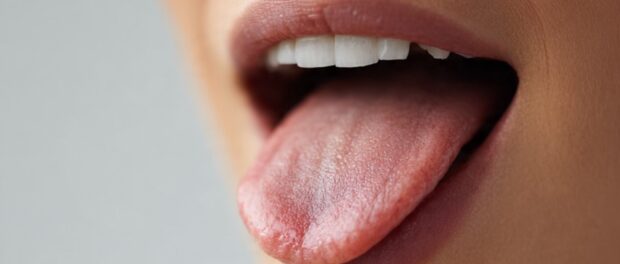
The tongue is considered a mirror of the internal organs. By simply observing the tongue, a practitioner can often tell where energy is flowing smoothly and where it is obstructed or deficient.
Key indicators on the tongue
- Color:
- Pale: qi or blood deficiency, often linked with fatigue or anemia-like patterns.
- Red: internal heat, which could manifest as inflammation, irritability, or feverish sensations.
- Purple or bluish: stagnation of blood, possibly tied to pain or poor circulation.
- Coating:
- Thin white: normal, indicating a balanced digestive system.
- Thick, greasy: dampness or phlegm, often seen with sluggish digestion, congestion, or heaviness.
- No coating: yin deficiency, suggesting dryness, heat, or depleted fluids.
- Shape:
- Swollen: retention of fluids or dampness.
- Thin: deficiency of blood or body fluids.
- Scalloped edges (teeth marks): spleen qi deficiency, often connected to fatigue and poor digestion.
- Regions of the tongue:
- Tip: heart and lungs.
- Sides: liver and gallbladder.
- Center: stomach and spleen.
- Back: kidneys, bladder, and intestines.
By learning to read these patterns, a practitioner can detect not just disease, but subtle imbalances long before they become serious.
The Pulse: A Subtle Language of Qi
Pulse diagnosis in TCM goes far beyond measuring heart rate. Practitioners feel the radial artery at three positions on each wrist, with each location corresponding to specific organs and systems. They also assess the pulse at three depths: superficial, middle, and deep.
Qualities of the pulse
- Depth:
- Superficial: external conditions like colds or seasonal influences.
- Deep: internal conditions affecting organ systems.
- Strength:
- Strong: excess or replete patterns (such as inflammation).
- Weak: deficiency of qi, blood, yin, or yang.
- Speed:
- Rapid: heat in the body.
- Slow: cold conditions.
- Texture:
- Wiry: tension, stress, or liver imbalances.
- Slippery: dampness, phlegm, or sometimes pregnancy.
- Choppy: blood stagnation or deficiency.
- Thin: depletion of fluids or blood.
A skilled practitioner may describe over two dozen pulse qualities, combining their findings with other observations to form a complete diagnostic picture.
Why Tongue and Pulse Matter
These diagnostic tools reveal what lab tests often cannot: the beginning stages of imbalance. For example, someone may feel run-down and achy, but conventional tests show nothing abnormal. A TCM practitioner might find a thin tongue with a red tip and a rapid pulse, indicating yin deficiency with heat, suggesting the need for restorative herbs and dietary changes before the condition worsens.
This preventative approach is what makes TCM uniquely powerful. The tongue and pulse are like warning lights on the dashboard of a car, they alert you to problems before the engine breaks down.
A Quick Self-Check
While diagnosis is best left to trained practitioners, you can become more aware of your body’s messages by observing your tongue:
- Look at your tongue in natural light each morning before brushing your teeth.
- Notice its color, shape, and coating.
- Track changes over time, especially if you are under stress, fatigued, or unwell.
Your observations will never replace the sensitivity of a practitioner’s trained eye and hand, but they can help you stay connected to your own health.
Listening to the Body’s Wisdom
The beauty of TCM is that it treats the body not as a collection of isolated parts, but as an interconnected whole. Tongue and pulse diagnosis remind us that our bodies are always speaking. Subtle signs—a change in tongue coating, a wiry pulse, are invitations to pause, rebalance, and restore harmony.
In an age when many people wait until illness is advanced before seeking help, these traditional methods invite us back into relationship with our bodies. They remind us that healing begins not with suppression of symptoms, but with listening deeply to the messages within.