7 Natural Ways to Get Deep, Restorative Sleep for Maximum Health

How to Finally Sleep Without Pills, Stress, or Ceiling Staring
If sleep were easy, there wouldn’t be an entire aisle dedicated to “nighttime support,” gummies shaped like moons, or people googling “why am I exhausted but can’t sleep” at 2:47 a.m.
Deep sleep — the kind where your body actually repairs itself and your brain stops replaying conversations from 2009 — is not about being “more tired.” It’s about biology, chemistry, hormones, light exposure, stress levels, and whether your nervous system feels safe enough to shut down.
Let’s talk about how to naturally get real, restorative deep sleep for maximum health, backed by science, statistics, and practical tools — without turning bedtime into a full-time job.
1. Light Controls Your Sleep More Than Willpower
Your brain decides when to sleep based on light, not motivation.
Melatonin — your primary sleep hormone — is suppressed by artificial light, especially blue light from phones, tablets, and LED bulbs. Research from Harvard Medical School shows blue light suppresses melatonin about twice as much as warmer light and can shift your circadian rhythm by up to three hours.
Helpful habits:
- Get natural sunlight within 30–60 minutes of waking
- Dim lights after sunset
- Use warm lamps instead of overhead lighting
- Reduce screen exposure 90 minutes before bed
Melatonin is shy. Bright lights send it back into hiding.
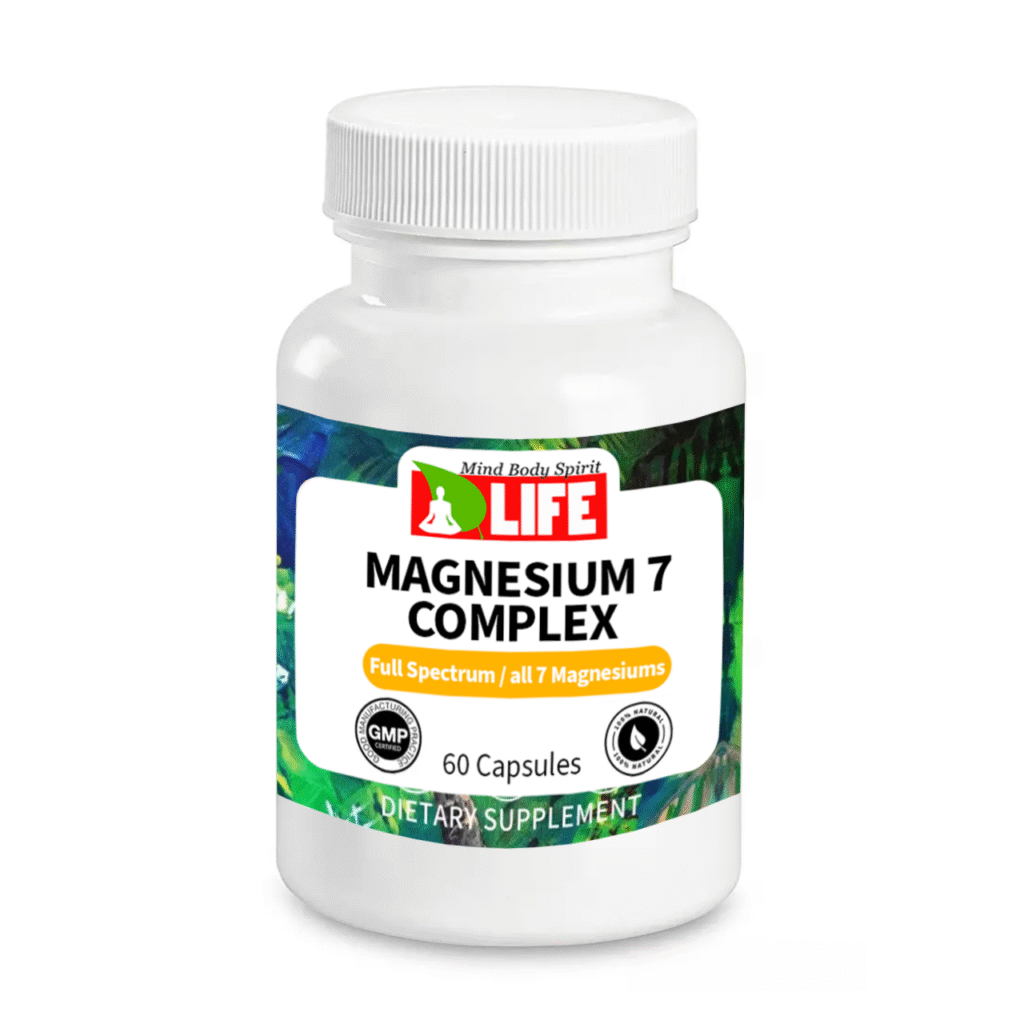
2. Magnesium Supports Deep Sleep and Relaxation
Magnesium is involved in over 300 biochemical reactions, many of which regulate sleep, muscle relaxation, and nervous system balance.
A study published in the Journal of Research in Medical Sciences found that magnesium improved:
- Sleep efficiency
- Total sleep time
- Evening cortisol levels
Chronic stress rapidly depletes magnesium, which may explain why so many people feel wired but exhausted.
Food sources include pumpkin seeds, leafy greens, avocados, and dark chocolate (earlier in the day).
3. Breathing Signals Safety to the Brain
Your body will not enter deep sleep if it thinks you are under threat — even if that threat is emotional or psychological.
Slow, controlled breathing activates the vagus nerve, shifting the body out of fight-or-flight and into rest-and-repair.
A study in Frontiers in Human Neuroscience showed slow breathing significantly increases parasympathetic nervous system activity and improves sleep onset.
Try this before bed:
- Inhale for 4 seconds
- Hold for 4 seconds
- Exhale for 6–8 seconds
- Repeat for 5 minutes
Wandering thoughts are normal. Gently return to the breath.
4. Cooler Temperatures Trigger Sleep
Your core body temperature must drop slightly for sleep to begin.
Research in Nature Neuroscience shows that even a 1°F decrease in core body temperature can trigger sleep onset.
Helpful adjustments:
- Keep the bedroom between 60–67°F
- Take a warm shower before bed (it lowers core temperature afterward)
- Use breathable sheets and pajamas
If you’re hot, restless, and flipping pillows all night, it’s not a personality flaw — it’s physiology.
5. Daily Movement Increases Deep Sleep
A large meta-analysis in Sleep Medicine Reviews found regular physical activity improves:
- Time to fall asleep
- Duration of deep sleep
- Overall sleep quality
Movement does not have to be extreme. Walking, yoga, stretching, dancing, skating, or playful movement all count.
Your body sleeps better when it’s been used.
6. Lower Evening Cortisol for Better Sleep
Cortisol should be highest in the morning and lowest at night. Chronic stress reverses that pattern.
Research in Psychoneuroendocrinology shows elevated evening cortisol is associated with significantly reduced slow-wave (deep) sleep.
Ways to lower nighttime cortisol:
- Gratitude or prayer
- Meditation
- Journaling worries out of your head
- Avoiding intense news or stimulating shows late at night
Your nervous system needs reassurance, not stimulation.
7. Consistent Bedtime Rituals Improve Sleep Quality
Sleep thrives on predictability.
Studies show that consistent bedtime routines can improve sleep efficiency by up to 30%, even in adults.
Your routine does not need to be complicated:
- Same bedtime
- Same lighting
- Same calming activity
Repetition tells the brain it is safe to power down.
The Truth About Deep Sleep
Deep sleep cannot be forced.
It can only be supported.
When your body feels safe, regulated, and aligned with natural rhythms, deep sleep happens automatically — not through effort, but through permission.
Rest is not something you earn.
It is something your body remembers.
Final Thought
Deep sleep is one of the most powerful tools for healing, longevity, immune health, and emotional balance — and it is entirely natural. When we work with our biology instead of against it, sleep becomes restorative again.
For more natural health insights, mind-body-spirit tools, and grounded wellness guidance (with humor always included), visit MindBodySpiritLife.com and check back often. Your health depends on your rest.