7 Ways to Build Stronger Bones Beyond Taking Calcium
You probably don’t think about your bones when you carry groceries up the stairs, dance barefoot in the kitchen, or catch yourself after tripping over the dog. But those ordinary moments tell you a lot about what bone health looks like in real life. It takes strong bones to handle the load, strong muscles to move it, and enough balance to stay upright when somebody leaves a tennis ball in the hallway.
Calcium helps build and maintain bone, but the picture is bigger than what’s in your supplement bottle. Your bones are living tissue that your body continually breaks down and rebuilds. The way you move, what you eat, and when you check for bone loss can all affect your chances of breaking a bone as you age. NIAMS
1 Lift Something That Challenges Your Muscles
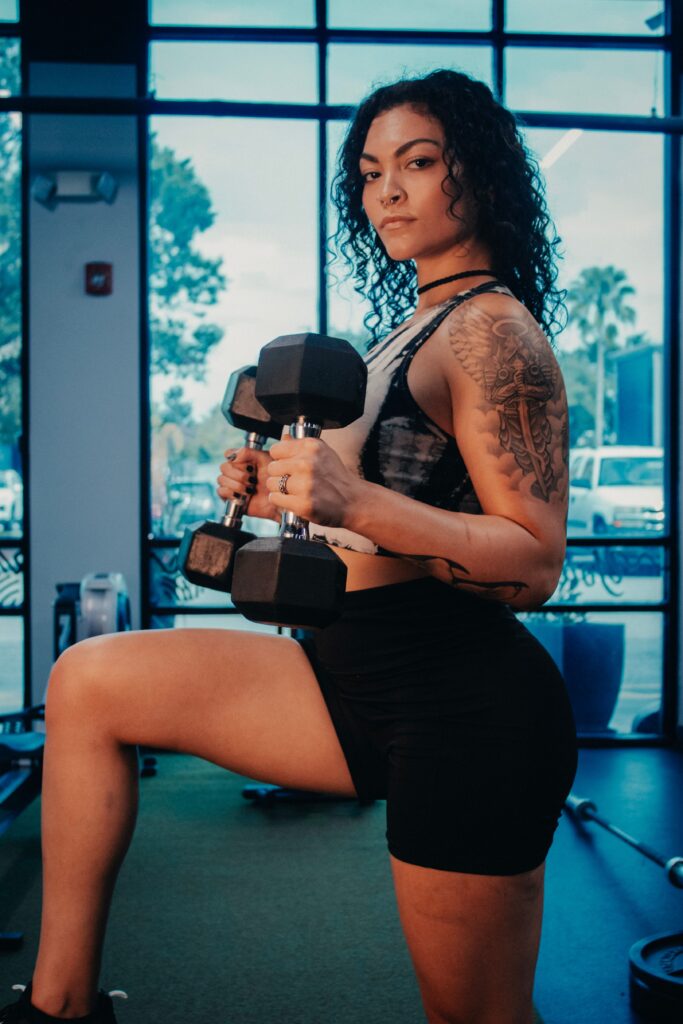
When you lift a weight, your muscles pull on the bones they’re attached to. That’s one reason resistance training can help maintain bone strength. It also makes everyday tasks like getting out of a low chair, carrying laundry, and hauling a bag of dog food a little easier. Bone Health & Osteoporosis Foundation
Dumbbells, resistance bands, weight machines, and body-weight exercises all count. If you’re starting from scratch, try standing up from a sturdy chair, doing a wall push-up, or practicing a row with a resistance band. As the movements get easier, you can gradually increase the resistance. Pick exercises you can repeat comfortably and steadily. An exercise you can work into your week will do more for you than the ambitious routine you try once and spend three days recovering from.
If you have osteoporosis, very low bone density, or a previous fracture, a physical therapist can help you choose exercises and learn how to lift safely. Some movements, especially those involving deep forward bending of the spine, may need to be modified. Bone Health & Osteoporosis Foundation
2 Spend More Time Moving on Your Feet
Weight-bearing exercise is movement you do upright while supporting your own weight. Brisk walking, dancing, stair climbing, and hiking all fit. The right starting point might be a walk around the block, a few songs in your living room, or a trail with a gentle incline. Bone Health & Osteoporosis Foundation
Swimming and cycling are good ways to stay active, especially if you enjoy them or find them easier on your joints. If most of your exercise happens in a pool or on a bike, add some upright activity or resistance training during the week so your bones get that kind of work, too. If you’re already at higher risk of fracture, ask your clinician which impact level is appropriate before adding activities like jogging or jumping. Bone Health & Osteoporosis Foundation
3 Practice Balance Before You Need It
Think about the last time you stepped off a curb you didn’t see or turned too quickly with your hands full. Those split-second corrections are something you can practice. Balance and strength exercises can help lower your chance of falling, which matters because a fall can lead to a hip, wrist, or other fracture. Bone Health & Osteoporosis Foundation
Start beside a sturdy kitchen counter with a hand on it. Try shifting your weight slowly from one foot to the other, or place one foot slightly in front of the other and practice holding steady. If standing balance feels difficult, repeated sit-to-stands from a sturdy chair can help build the leg strength you use to get up and move around. If you’ve been falling or frequently feel unsteady, tell your healthcare provider. They can help you look for contributing factors and find exercises suited to you. Bone Health & Osteoporosis Foundation
4 Give Protein a Place at the Table
Bone contains a protein framework, primarily collagen, that gives minerals like calcium a structure to build on. Protein also helps you maintain the muscles that steady you when you walk, lift, and climb. That makes it worth looking at your whole plate when you think about what supports your bones. Teh Surgeon General
Start with the meal where protein tends to get forgotten. If breakfast is usually coffee and toast, try adding eggs or a bowl of Greek yogurt. If lunch is a salad, add chickpeas, tofu, chicken, or salmon. Some foods do double duty. Yogurt gives you protein and calcium, and canned sardines provide both when you eat the soft bones. NIAMS
5 Give Vitamin D Some Attention
Vitamin D helps your body absorb calcium. The National Institutes of Health lists a recommended daily intake of 600 IU for adults through age 70 and 800 IU for adults over 70. Those numbers refer to total daily intake, including food and supplements. NIAMS
Fatty fish like salmon and trout provide vitamin D, and you’ll find it added to some milks, plant beverages, and cereals. Fortification varies, so check the label on the carton you actually buy. If a clinician has diagnosed you with low vitamin D, ask what dose and follow-up they recommend for you. NIAMS
6 Take Smoking and Alcohol Into Account
Smoking and heavy drinking can raise your risk of osteoporosis. Alcohol can also affect your coordination, which matters when you’re navigating stairs, slippery floors, or a dark hallway. The National Institute of Arthritis and Musculoskeletal and Skin Diseases recommends quitting smoking and limiting alcohol as part of caring for your bones. NIAMS
If Friday night usually means a couple of drinks, you might start by swapping one for something you also enjoy. If you smoke and want to quit, bring it up at your next healthcare visit and ask what support is available. Both are concrete steps you can take alongside changes to your meals and movement.
7 Find Out When You’re Due for a Bone Density Scan
You can feel strong and active while losing bone density. Osteoporosis often has no obvious symptoms until a fracture. A bone density scan, commonly called a DXA scan, can help identify bone loss and guide a conversation about fracture risk and treatment. NIAMS
The U.S. Preventive Services Task Force recommends screening women 65 and older and screening younger postmenopausal women who are at increased risk. Bring up your bone health sooner if you’ve broken a bone after a minor fall, have a parent who broke a hip, or have taken a steroid such as prednisone for a long time. Those details can help your clinician decide what evaluation makes sense for you. If you already have osteoporosis, ask whether medication could help lower your fracture risk alongside the habits you’re building. United States Preventive Services Taskforce
The reason to care for your bones is personal. Maybe you want to keep working in your garden, get down on the floor to play with your grandkids, or dance at a wedding and still have enough legs left for the last song. Pick one habit that supports something you love and give it a place in your week. A short walk, a few chair stands, or a conversation at your next checkup is a place to begin.
Come back to MindBodySpiritLife.com often for practical ways to care for your body and keep doing what you love. If you’ve found something that helped you get stronger or stay active, share your story or consider contributing an article. Let’s inspire one another.



Leave a comment