
9 Reasons Rucking Is the Forgotten Fitness Tool That’s Quietly Taking Over

Somewhere between overpriced gym memberships, complicated workout plans, and the eternal search for motivation, we managed to overlook one of the simplest, most effective fitness tools on the planet: walking… with weight.
That’s it. That’s rucking.
It sounds almost too basic to be powerful, which is probably why it’s been hiding in plain sight. But while most people are chasing the latest high-intensity trend, rucking has been quietly building a loyal following—from military training programs to everyday people who just want to get stronger, leaner, and healthier without wrecking their joints or their sanity.
And here’s the kicker: science is backing it up in a big way.
Let’s break down why this “simple” activity is anything but.

1 Rucking Burns More Calories Than Walking Without Feeling Like Torture
Adding weight to your walk significantly increases calorie burn without requiring you to move faster or harder. Studies from the American Council on Exercise show that carrying a load can increase energy expenditure by 10% to 30%, depending on weight and terrain.
Translation: same walk, more results.
And unlike high-intensity workouts that leave you questioning your life choices, rucking keeps your heart rate in that sweet spot known as Zone 2—where your body efficiently burns fat and builds endurance.
It’s basically the overachiever of low-impact exercise.
2 It Builds Strength Without a Gym Membership or Ego Lifting
Rucking isn’t just cardio—it’s sneaky strength training.
Carrying weight engages your core, glutes, hamstrings, calves, and even your upper back. According to research published in the Journal of Strength and Conditioning Research, load carriage improves muscular endurance and functional strength, especially in the posterior chain (aka the muscles that keep you from throwing your back out picking up groceries).
No machines. No mirrors. No guy yelling “ONE MORE REP.”
Just you, gravity, and a backpack doing honest work.
3 It’s Joint-Friendly and Actually Sustainable
Running has its place, but it also has a reputation—especially with knees.
Rucking offers a lower-impact alternative while still delivering cardiovascular benefits. Studies show that walking with load reduces repetitive high-impact stress compared to running, making it ideal for long-term fitness.
In other words, your joints won’t file a formal complaint.
4 It Improves Posture and Core Stability
Here’s something most people don’t expect: rucking can actually fix your posture.
When done correctly (upright, shoulders back, weight evenly distributed), rucking strengthens the muscles that keep you standing tall. Research in biomechanics shows that load carriage—when properly aligned—activates stabilizing muscles in the spine and core.
So yes, you’re getting fitter… and looking more confident doing it.
Win-win.
5 It Builds Real-World Functional Fitness
Let’s be honest—most of us aren’t training to flip tires or climb ropes (unless your weekend plans are very different from the average person).
But carrying groceries? Walking long distances? Handling life without getting winded? That’s real-world fitness.
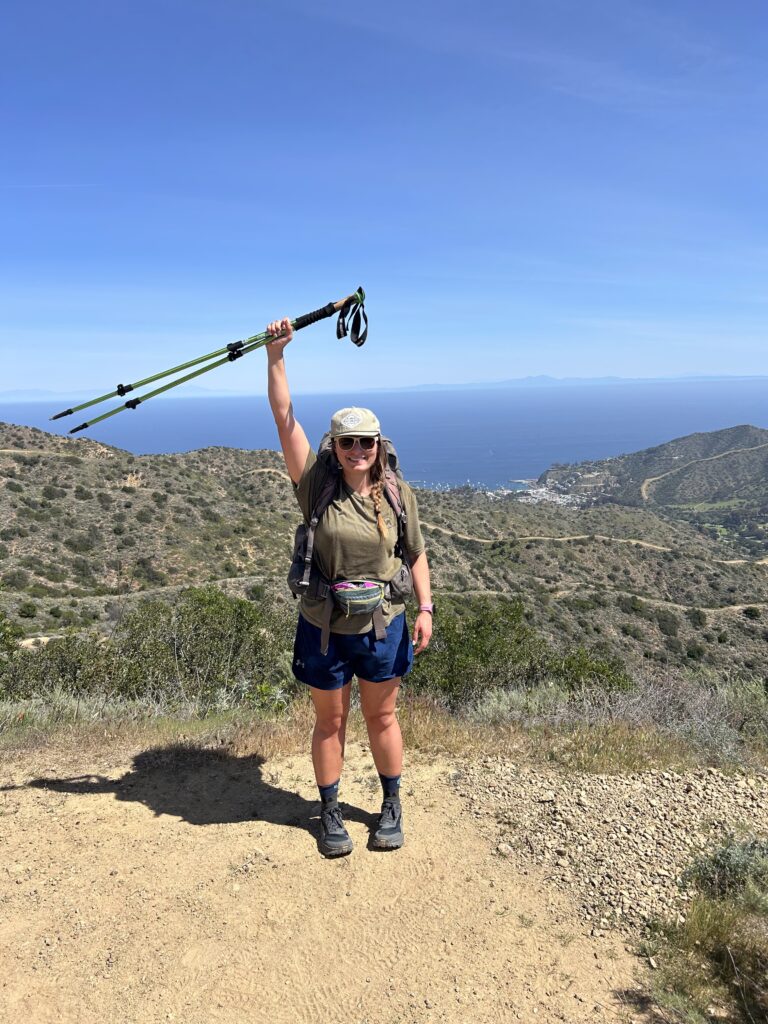
Rucking mimics natural human movement patterns. Humans have been carrying things while walking for thousands of years. It’s one of the most practical forms of exercise you can do.
Your ancestors didn’t have treadmills. They had stuff to carry.

6 It Boosts Mental Health Without Overstimulating Your Nervous System
Here’s where rucking quietly shines.
Unlike high-intensity workouts that spike stress hormones, rucking tends to calm the nervous system. Studies show that moderate, steady-state exercise reduces cortisol levels and improves mood by increasing endorphins and serotonin.
Add in being outdoors, and the effects multiply. Research from environmental psychology shows that walking in nature reduces anxiety, depression, and mental fatigue.
So yes, that peaceful walk with a weighted backpack? It’s basically therapy… but cheaper and with better leg definition.
7 It Improves Cardiovascular Health Without Burnout
Rucking keeps your heart rate in a steady, moderate range—ideal for improving cardiovascular health.
According to the American Heart Association, consistent moderate-intensity exercise lowers the risk of heart disease, stroke, and high blood pressure. And because rucking is easier to sustain than high-intensity training, people are more likely to stick with it.
Consistency beats intensity every time.
(Your heart prefers long-term commitment over short bursts of chaos.)

8 It’s Ridiculously Accessible and Low-Cost
You don’t need a gym. You don’t need fancy equipment. You don’t even need a perfect plan.
All you need is:
- A backpack
- Some weight (books, water bottles, or actual rucking plates if you’re feeling fancy)
- A place to walk
That’s it.
Compared to the $60 billion global fitness industry, rucking is refreshingly… normal.
No subscriptions. No monthly guilt.
9 It Scales With You as You Get Stronger
Rucking grows with you.
Start with 10–15 pounds and a short walk. As your strength and endurance improve, you can increase weight, distance, or terrain difficulty.
Research on progressive overload shows that gradually increasing resistance is key to building strength and endurance over time.
Rucking makes that progression simple and intuitive.
No spreadsheets required. Just add a little more weight and keep moving.
At first glance, rucking looks almost too simple to matter. But that’s exactly why it works.
It strips fitness down to what actually matters: movement, consistency, and a little resistance. No extremes. No burnout. No complicated rules.
Just a steady, grounded way to build strength, endurance, and mental clarity—all at once.
And maybe that’s the real reason it’s quietly taking over.
Because in a world obsessed with doing more, faster, and harder… rucking reminds us that sometimes the most effective path forward is simply to carry a little weight and keep walking.
And if that sounds a lot like life itself… well, that’s probably not a coincidence.

If you enjoy content that blends real science with real life (and maybe a little humor along the way), this is exactly what we do here. Stick around, explore more, and come back often—we’re just getting warmed up. Let’s inspire one another.