9 Science-Backed Reasons Sound Baths Might Be the Chillest Health Hack

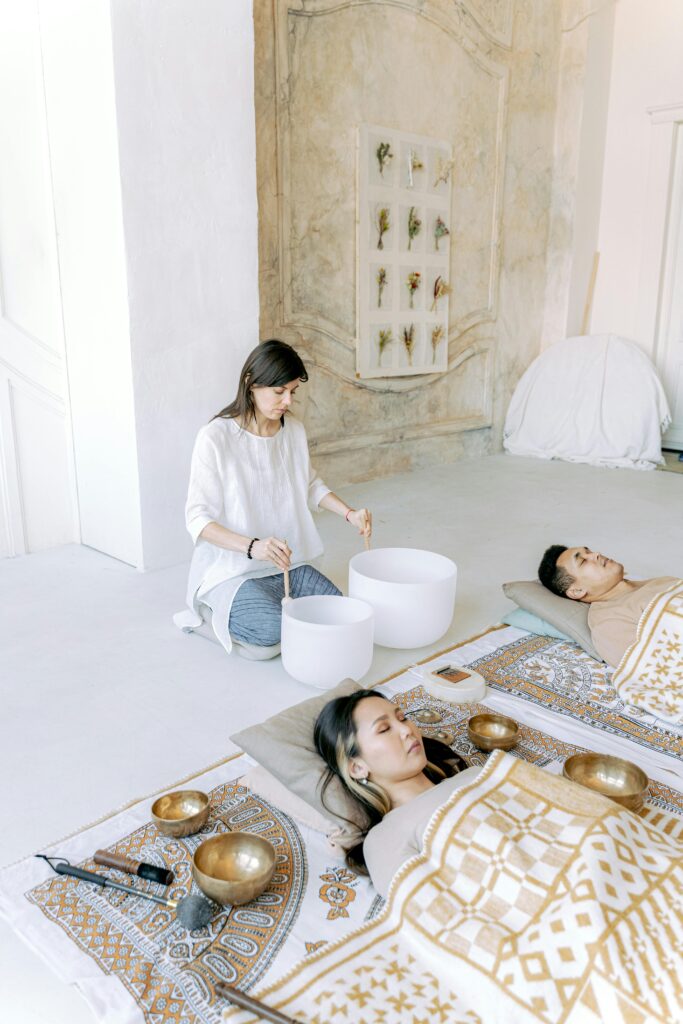
There you are—lying on a yoga mat, eyes closed, wrapped in a blanket like a human burrito… and instead of someone yelling “10 more reps,” you hear a deep, vibrating hum that feels like it’s coming from the center of the Earth itself.
Welcome to a sound bath—where doing absolutely nothing might actually be doing a lot more than you think.
Sound baths have been quietly (and loudly, depending on the gong situation) gaining popularity in wellness spaces, and for good reason. What sounds like a mystical spa day is actually backed by growing research in neuroscience, physiology, and stress reduction.
Let’s break down what sound baths really are—and why your brain, body, and possibly your neighbor who needs to relax might benefit.
What Is a Sound Bath, Exactly?
No water. No soap. No loofah.
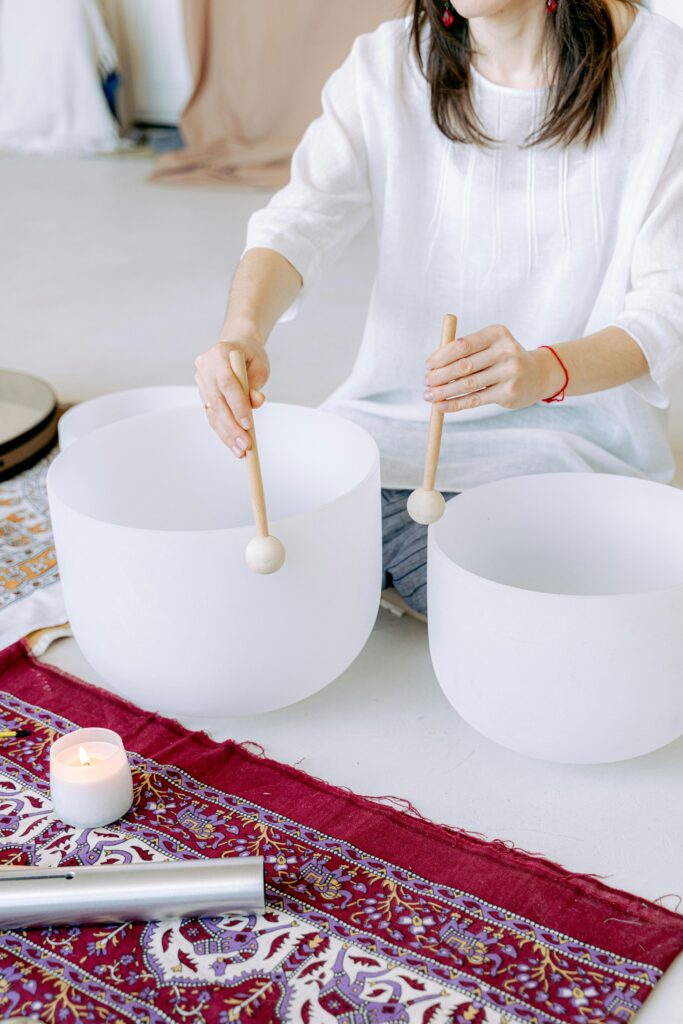
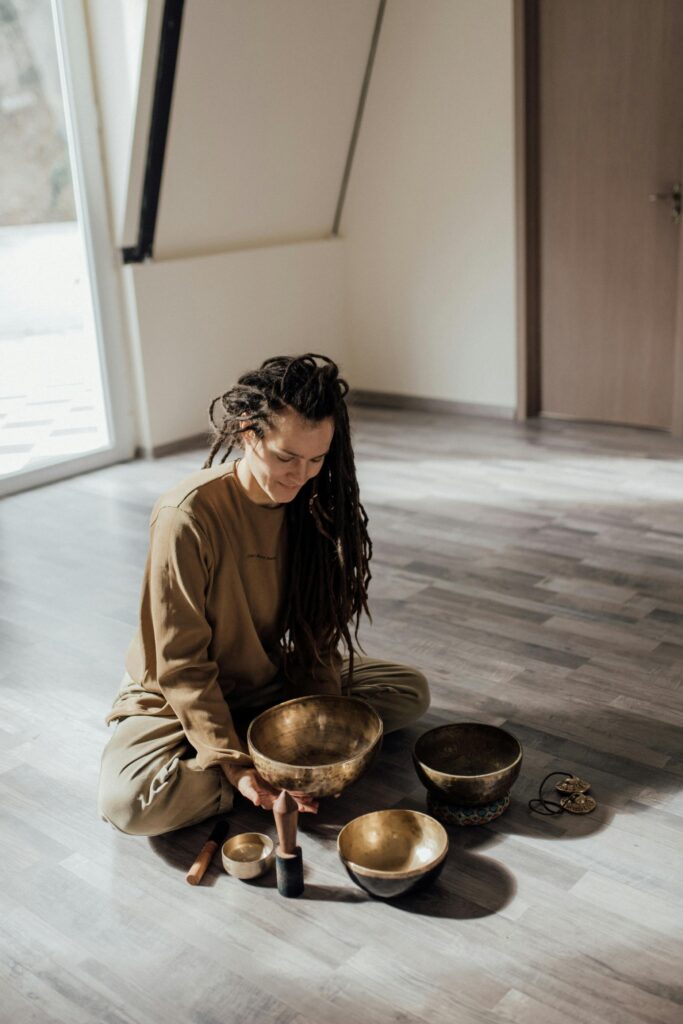
A sound bath is a meditative experience where participants are “bathed” in sound waves produced by instruments like crystal singing bowls, Tibetan bowls, gongs, chimes, and tuning forks. These instruments create specific frequencies that interact with your brainwaves and nervous system.
Think of it like a full-body playlist… except your cells are the audience.
The goal? To guide your brain into slower brainwave states—like alpha and theta—which are associated with relaxation, creativity, and deep meditation.
1. It Can Lower Stress Faster Than Your Favorite Comfort Food
Let’s talk numbers.
A 2016 study published in the Journal of Evidence-Based Complementary & Alternative Medicine found that participants experienced significant reductions in tension, anger, fatigue, and depressed mood after just 1 sound bath session.
Even better? People who were brand new to sound baths saw the biggest improvements. So yes, beginners luck is real—and relaxing.
When sound frequencies slow your brainwaves, your body shifts out of “fight-or-flight” and into “rest-and-digest.” That means lower cortisol levels, slower heart rate, and fewer imaginary arguments in your head.
2. Your Brainwaves Literally Change (In a Good Way)
During a sound bath, your brain transitions from fast beta waves (thinking, planning, stressing about what’s for dinner) into slower alpha and theta waves.
Theta brainwaves are the same ones you experience during deep meditation or right before you fall asleep—that dreamy, floaty state where your body forgets you have responsibilities.
Research in neuroscience shows that spending more time in these slower brainwave states is linked to improved emotional regulation, reduced anxiety, and enhanced creativity.
Translation: you may leave a sound bath calmer… and suddenly convinced you should start painting again.
3. It May Help Improve Sleep (Without Counting Sheep)
Sleep issues affect about 1 in 3 adults, according to the CDC. And no, scrolling your phone until your eyes burn is not a solution (we’ve all tried).
Sound baths help by activating the parasympathetic nervous system—the part responsible for relaxation and recovery.
A study on sound meditation found participants reported better sleep quality and reduced insomnia symptoms, likely due to decreased stress and improved nervous system balance.
Basically, your body remembers how to relax… and sleep finally stops playing hard to get.
4. Your Heart Might Love It Too
Sound therapy isn’t just for your mood—it may support cardiovascular health.
Studies on music and sound frequency exposure have shown reductions in heart rate and blood pressure after calming auditory experiences.
When your body shifts into a relaxed state, blood vessels dilate, circulation improves, and your heart gets a break from acting like it’s late to an appointment.
5. It May Reduce Physical Pain (Yes, Really)
This one surprises people.
In the same 2016 study, participants reported significant decreases in physical pain after a sound meditation session.
Why?
Sound vibrations may stimulate the body at a cellular level while also reducing the perception of pain through relaxation and distraction mechanisms in the brain.
It’s like giving your nervous system a gentle “hey… we’re safe now” reminder.
6. It Can Boost Mood Without a Pep Talk
You don’t have to “think positive” or recite affirmations during a sound bath. The sound does the heavy lifting.
Participants in multiple studies reported improved mood and emotional clarity after sessions, even without active effort.
This may be due to reduced cortisol and increased dopamine—the “feel-good” neurotransmitter.
So yes, you might walk in grumpy and walk out wondering why you’ve been so dramatic lately.
7. It Encourages Mindfulness (Without Trying Too Hard)
Let’s be honest—traditional meditation can feel like a mental wrestling match.
Sound baths offer a more passive way to achieve mindfulness. Instead of focusing on your breath while your brain replays embarrassing moments from 2007, you simply listen.
The sound anchors your attention, making it easier to stay present.
And suddenly, you’re meditating… without even realizing it.
8. It May Support Emotional Release (Cue Unexpected Feelings)
Some people report emotional releases during sound baths—tears, laughter, or just a deep sense of “something shifted.”
This isn’t random.
Sound frequencies can influence the limbic system, the part of the brain involved in emotions and memory. When the nervous system relaxes, stored emotional tension may surface and release.
Think of it as spring cleaning… but for your emotional attic.
9. It’s Surprisingly Accessible (No Experience Required)
You don’t need flexibility, strength, or even motivation.
You just show up. Lie down. And let the sound do its thing.
Whether you’re a seasoned meditator or someone who thinks “chakras” sound like a menu item, sound baths are beginner-friendly and low effort.
And in a world that constantly demands more doing… that’s a pretty rare gift.
Sound baths may look like a wellness trend, but the science behind them is catching up quickly. From reducing stress and improving sleep to supporting emotional and physical health, these sessions offer a simple way to reset your entire system—without pills, pressure, or perfection.
At the very least, it’s an hour where you’re allowed to do absolutely nothing… and call it productive.
And honestly, your nervous system has probably been waiting for that invitation.
If this kind of mind-body approach speaks to you, explore more insights, science-backed wellness, and feel-good strategies at mindbodyspiritlife.com—and make it part of your routine to check in often. Because sometimes the simplest shifts create the biggest transformations.