
Okra & Fenugreek can Remove up to 93% of Microplastic from Water

Slimy Saviors: How Okra and Fenugreek Are Becoming Water’s Best Friends
Ever looked at the goopy residue in your pot after cooking okra and thought, “This could save humanity”? Well, grab your lab coat and put on your surprise face, because that slimy stuff might just be the environmental hero we never knew we needed!
Plastic Panic: We’re All Eating Credit Cards (Not the Tasty Kind)
Here’s a horrifying appetizer for your next dinner conversation: scientists estimate the average person consumes approximately five grams of plastic every week – roughly equivalent to munching down a credit card. Yum! And no, your digestive system can’t process those reward points.
These microplastics – tiny particles smaller than 5mm – have infiltrated virtually everything from mountain springs to urban tap water, from Antarctic ice to your morning coffee. They’ve been detected in human blood, placentas, and even brain tissue. A 2024 study found that brain samples contained 7 to 30 times more microplastic concentration than liver or kidney samples. Apparently, plastic doesn’t just clog oceans – it’s taking up prime real estate in our gray matter!
The problem is these pesky particles act like toxic sponges, soaking up pesticides, heavy metals, and industrial chemicals before hitching a ride into your body, where they can disrupt your hormones, damage your gut lining, and potentially contribute to everything from reproductive issues to neurodegenerative diseases. It’s like inviting the worst houseguests ever into your organs, and they never leave.
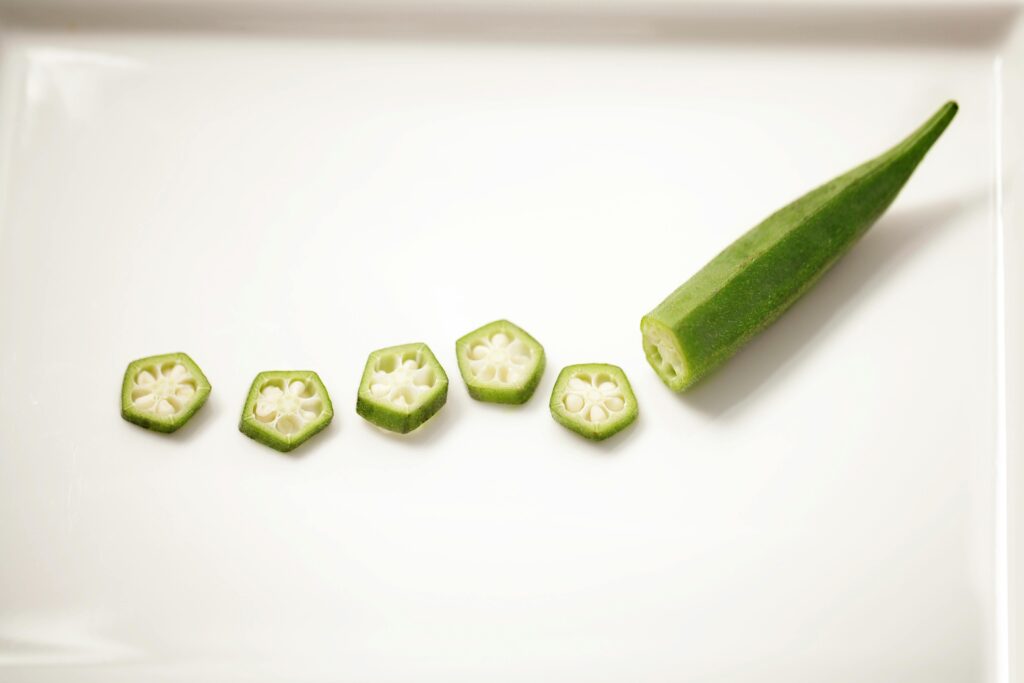
The Vegetable Avengers: Okra and Fenugreek to the Rescue
But wait! Put down that water filter catalog and hold off on your plans to live in a plastic-free bubble, because help comes from an unlikely source: your veggie drawer! A groundbreaking 2025 study published in ACS Omega has shown that extracts from everyday okra and fenugreek seeds can remove up to 93% of microplastics from water samples – outperforming industrial chemicals by nearly 40%!
Researchers at Tarleton State University in Texas weren’t just messing around with pristine lab water either. They tested these plant extracts in real-world water samples from groundwater, freshwater, and seawater sources contaminated with various types and shapes of microplastics.
The results were nothing short of astonishing:
- Fenugreek extract removed 80-90% of microplastics from groundwater
- Okra extract cleared about 80% of microplastics from seawater
- A dynamic duo of both plants removed 77% from freshwater
- By comparison, polyacrylamide (the synthetic chemical currently used in water treatment) only managed to remove about 54% under identical conditions
And the best part? This natural solution only requires 1 gram of plant extract per liter of water and just 60 minutes of contact time. You could literally be removing plastic from your drinking water in less time than it takes to watch an episode of your favorite streaming show!
How Do These Plant Superheroes Work?
So what’s the secret behind these unassuming plant powers? It’s all about the slime! But scientists prefer the fancier term “polysaccharides” – those long-chain sugars that make okra so, well, okra-ish.
Unlike synthetic chemicals that work by neutralizing electrical charges, these plant extracts use a process called “bridging” – essentially wrapping those long sugar chains around plastic particles like tiny nets. The sugar chains get all clingy with the plastic pieces, making them clump together and get heavier until they sink to the bottom, where they can be filtered out.
It’s like that friend who’s always bringing people together at parties – except instead of introducing singles, these plants are introducing plastic particles to gravity. **Fun Science Fact:** Fenugreek has the highest intrinsic viscosity and molecular weight of the two plants, which explains why it formed stronger bridges with microplastic particles and showed the highest removal efficiency in most water types tested!
The researchers confirmed this with microscope images showing plant extracts physically trapping plastic particles. They also measured the electrical charge on the particles before and after treatment and found it barely changed – proving that plants work by clumping plastics together rather than changing their charge.
Different plastics responded better to different plants too. Fenugreek was especially good at capturing polyvinyl chloride (PVC), one of the most toxic plastics, while okra excelled at grabbing lighter types commonly found in seawater.
Synthetic Chemicals: The Ex We Need to Break Up With
Let’s talk about our toxic relationship with synthetic water treatment chemicals like polyacrylamide for a moment. Not only are they less effective at removing microplastics, but they also leave behind their own problematic residues called monomers.
These synthetic leftovers aren’t biodegradable and are suspected of carrying long-term health risks. So we’re essentially using one potentially toxic substance to remove another toxic substance – like hiring a burglar to protect your house from thieves.
Meanwhile, okra and fenugreek extracts are:
- 100% natural and food-grade
- Completely biodegradable
- Sourced from renewable agriculture
- Effective at removing not just microplastics but also heavy metals and other contaminants
In the battle between nature and chemistry, chalk one up for Mother Nature’s kitchen cabinet!
Beyond the Lab: Practical Steps for a Less Plastic You
While we wait for okra-powered water treatment plants to become the norm, here are some practical ways to reduce your own plastic exposure:
1. Water Wisdom
Invest in a water filtration system that can remove particles smaller than 5 microns. If you have hard tap water, a simple 5-minute boil can reduce microplastic levels by up to 80%. And please, for the love of dolphins, stop buying water in plastic bottles! Choose glass when on the go.
2. Kitchen Revolution
Your kitchen is likely a plastic paradise, but it doesn’t have to be. Never microwave food in plastic containers – the heat causes those containers to release microplastics and hormone-disrupting chemicals directly into your meal. Store leftovers in stainless steel, glass, or ceramic containers instead.
Wooden cutting boards aren’t just aesthetically pleasing hipster kitchen accessories – they’re significantly better for your health than plastic ones, which shed microscopic pieces into your food with every slice.
3. Fabric Focus
That cozy polyester fleece is essentially a plastic bottle wearing a disguise. Every time you wash synthetic fabrics, thousands of microfibers are released into wastewater. Transition to natural fibers like cotton, wool, or linen when possible, and use microfiber-catching laundry bags for synthetic items you already own.
4. Cosmetic Consideration
Many personal care products still contain plastic microbeads or petroleum-based compounds. Check ingredients and avoid anything with polyethylene, polypropylene, or acrylates. A good rule of thumb: if you wouldn’t eat it, think twice before putting it on your skin.
The Slippery Solution to a Sticky Problem
So there you have it – the humble vegetables that could help solve one of our most persistent environmental and health challenges. Who knew that the same okra that makes some people say “too slimy!” could be exactly what we need to clean up our water?
While scientists continue to refine these natural solutions, remember that every plastic-free choice you make matters. From how you store your lunch to what fabrics touch your skin, you’re not just protecting the environment – you’re protecting your own health, hormone balance, and long-term resilience.
And the next time you’re cooking with okra or adding fenugreek to your curry, give those ingredients a little nod of appreciation. They’re not just dinner – they’re potential world-savers.
Now that’s food for thought!
Frequently Asked Questions
How exactly do okra and fenugreek remove microplastics from water?
These plants contain natural polysaccharides (long sugar chains) that act like sticky nets. When added to water, they bind microplastic particles together through “bridging,” making them heavier so they settle to the bottom for easy filtering. Think of it as nature’s version of a lint roller for water.
Are these plant extracts really more effective than commercial water treatment chemicals?
Yes! In the ACS Omega study, fenugreek removed up to 93% of microplastics, while the synthetic chemical polyacrylamide only managed 54% under identical conditions. Okra removed about 80% from seawater, and their combination cleared approximately 77% from freshwater. Nature: 1, Synthetic chemicals: 0.
What kind of water filter works best for removing microplastics at home?
Look for filtration systems that can handle particles smaller than 5 microns. Sub-micron carbon block filters or ceramic filters specifically rated for microplastic removal are your best bet. Standard pitcher filters and basic faucet attachments typically don’t cut it. For hard water, boiling for five minutes before filtration can remove up to 80% of microplastics.
Why are microplastics dangerous to human health?
Microplastics act like toxic sponges, absorbing pesticides, heavy metals, and hormone-disrupting chemicals. Once ingested, they can damage gut lining, cross into the bloodstream, and accumulate in organs including the brain. They’ve been found in human blood, lungs, and placentas, with research linking them to inflammation, oxidative stress, immune dysfunction, and hormonal disruption.