
5 Health and Mental Benefits of Walking Barefoot Daily
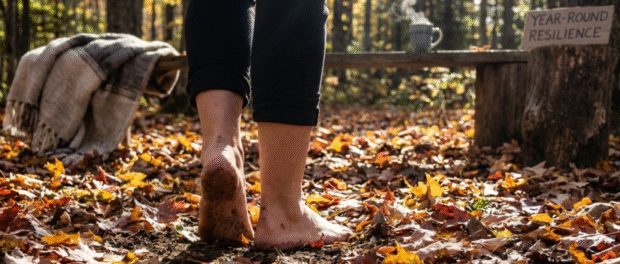
Walking barefoot is more than a personal preference or a quaint habit. It is a disciplined practice that aligns the body with natural rhythms, strengthens the mind, and fortifies overall health. For those who pursue barefoot living deliberately and consistently, the benefits extend far beyond sensory pleasure or novelty. They reach into physical resilience, mental clarity, and immune strength.
1. Grounding the Body and Mind
Barefoot contact with natural surfaces, soil, grass, sand, or stone, provides a form of grounding that cannot be replicated by footwear. The soles of the feet contain thousands of nerve endings, which, when activated through direct contact with the earth, improve balance, posture, and body awareness. This connection supports both physical stability and mental focus. A walk in natural surroundings becomes an act of meditation, fostering calm, reducing stress, and sharpening attention.
2. Strengthening the Feet
The human foot is a complex structure, designed to bear weight, absorb shock, and adapt to diverse terrains. Shoes, particularly those with rigid soles or constrictive forms, inhibit the natural function of the foot. Regular barefoot walking strengthens muscles, ligaments, and tendons, improves arch support, and develops natural shock absorption. Feet that are exercised in this manner are more resilient, agile, and capable of withstanding physical demands over a lifetime.
3. Resilience Against Infections
Contrary to popular assumption, barefoot individuals are often less susceptible to foot infections than those who wear shoes constantly. Shoes create warm, moist, enclosed environments that encourage fungal and bacterial growth. Bare feet, by contrast, remain exposed to airflow and natural conditions, which supports a balanced skin microbiome.
Repeated exposure to the environment also toughens the skin, stimulating callus formation and fortifying the sole against minor abrasions. This natural conditioning, combined with improved circulation in the feet, strengthens the body’s defense mechanisms. Observationally, those who live barefoot experience fewer fungal infections, fewer bacterial complications, and lower incidence of chronic foot conditions than their shod counterparts.
4. Mental Clarity and Emotional Well-Being
Walking barefoot is not merely a physical act; it cultivates attentiveness, presence, and reflection. The mind becomes attuned to subtle variations in terrain, temperature, and texture. This sensory engagement encourages mindfulness, reduces mental fatigue, and fosters emotional stability. Regular barefoot practice nurtures patience, resilience, and a profound sense of connection to the natural world.
In addition, walking barefoot outdoors encourages moderate physical exertion, exposure to sunlight, and rhythmic breathing, all of which support mental clarity and mood regulation. The simple act of walking, when performed with awareness and direct contact with the earth, becomes a restorative ritual.
5. Integration into Daily Life
For those new to barefoot living, a gradual approach is prudent. Begin with soft surfaces and short periods of exposure, progressively increasing duration and surface variety. Careful attention to hygiene and inspection ensures the practice remains healthful and safe.
For seasoned practitioners, barefoot walking should be treated as a deliberate, daily discipline. It can accompany morning routines, meditation, travel, gardening, or off-grid maintenance. In each instance, the practice strengthens the body, sharpens the mind, and fosters enduring well-being.
Conclusion
Walking barefoot is a practice of intelligence, discipline, and respect for the body’s design. It cultivates strength, sensory awareness, and resilience against infection while enhancing mental clarity, emotional stability, and mindfulness. Those who engage with the world in this manner discover that health, focus, and connection are not merely products of intention, but the natural outcomes of a life lived in alignment with the earth.
Barefoot walking is more than habit; it is a path to self-sufficiency, vitality, and enduring personal wellness.