Red Light Therapy: The Glow-Up Your Cells Have Been Waiting For
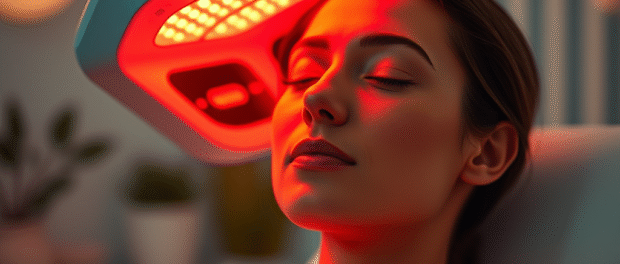
If natural health trends were a dinner party, red light therapy would be the guest everyone keeps whispering about: “Have you tried it yet?” It sounds futuristic, looks like something from a sci-fi movie, and yet it’s quietly rooted in real, peer-reviewed science. No needles. No pills. No sweating it out. Just light—used the right way.
Welcome to one of the hottest topics in natural health right now.
So… What Is Red Light Therapy, Really?
Red light therapy (also called photobiomodulation) uses specific wavelengths of red and near-infrared light—typically between 630 and 880 nanometers—to penetrate the skin and stimulate your cells.
Think of it like sunshine for your mitochondria. Your cells absorb this light and use it to make more ATP (adenosine triphosphate), which is basically cellular energy. More ATP = better repair, better performance, and better recovery.
In other words, your cells go from “Monday morning” to “I’ve had my coffee.”
Why Everyone in Natural Health Is Talking About It
Red light therapy sits at the sweet spot where ancient healing wisdom meets modern science. Humans have always known sunlight heals. Science just figured out why.
Here’s why it’s trending everywhere from wellness clinics to living rooms:
- Non-invasive
- Drug-free
- Minimal side effects
- Backed by growing clinical research
- Easy to use at home
And yes—people are noticing results.
The Big Benefits (That Keep People Coming Back)
1. Reduced Inflammation
Chronic inflammation is at the root of many modern health issues. Studies show red and near-infrared light can reduce inflammatory markers by improving circulation and calming overactive immune responses.
2. Faster Muscle Recovery & Pain Relief
Athletes use it. Physical therapists use it. Weekend warriors secretly love it. Red light helps muscles recover faster, reduces joint pain, and may improve mobility by increasing blood flow and tissue repair.
3. Skin Health & Collagen Boosting
Red light stimulates fibroblasts—the cells responsible for collagen production. Translation? Improved skin tone, fewer fine lines, better elasticity, and that “you look well-rested” glow people can’t quite explain.
4. Better Sleep
Unlike blue light (the villain of circadian rhythms), red light does not suppress melatonin. Some studies suggest it may actually improve sleep quality by supporting mitochondrial health and calming the nervous system.
5. Brain & Mood Support
Emerging research suggests red and near-infrared light may support brain function by improving blood flow and reducing oxidative stress. Many people report improved focus, mood, and mental clarity.
Is This Just Another Wellness Fad?
Short answer: no.
NASA studied red light therapy decades ago to help astronauts heal wounds in space. Since then, it’s been researched in medical, dermatological, and neurological settings worldwide.
While it’s not a miracle cure (no natural therapy should be marketed that way), it is a powerful supportive tool—especially when paired with good nutrition, movement, sleep, and stress management.
Natural health works best when it works with the body, not against it.
At-Home vs. Professional Treatments
You’ll see red light therapy offered in:
- Wellness clinics
- Chiropractor offices
- Physical therapy centers
- Spas
And now… homes.
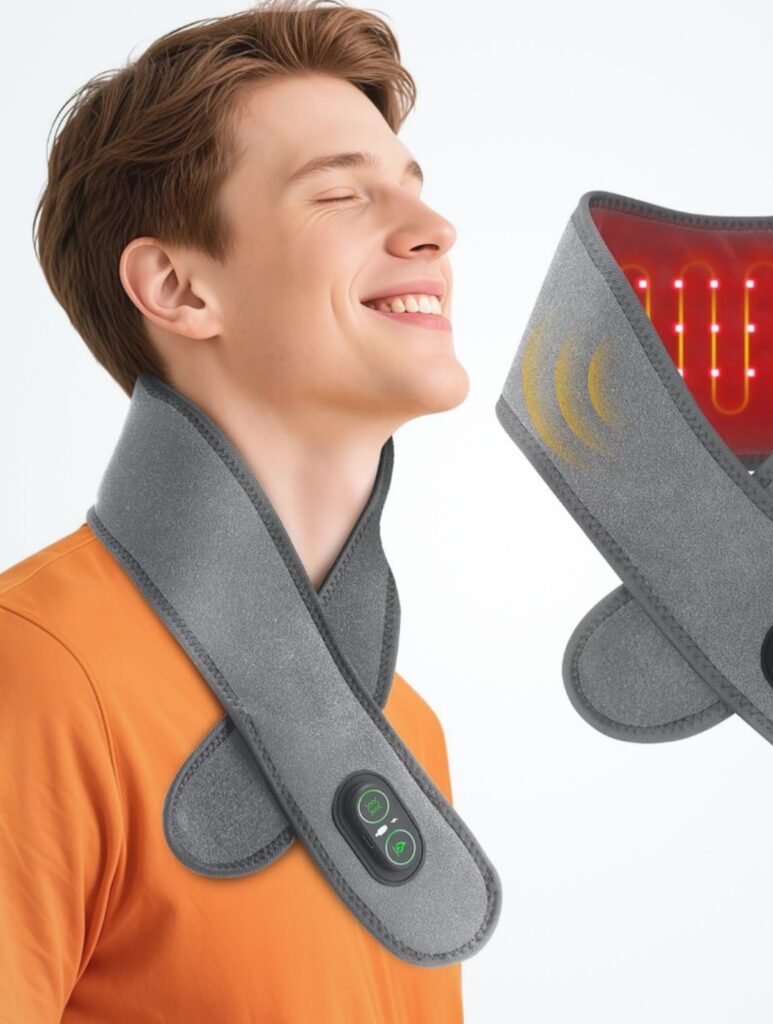
At-home panels, masks, and wraps have exploded in popularity. The key is wavelength quality, consistency, and realistic expectations. This is cellular nourishment, not instant magic.
Think daily sunlight, not one-time lightning bolt.
Who Should Be Careful?
Red light therapy is generally considered very safe, but:
- People with photosensitive conditions
- Those on medications that increase light sensitivity
- Pregnant individuals (especially abdominal exposure)
…should consult a healthcare provider first.
Natural doesn’t mean careless. Wisdom is always part of wellness.
The Bigger Picture
Red light therapy reminds us of something ancient cultures already knew: light heals. In a world overloaded with chemicals, noise, and constant stimulation, this gentle, quiet therapy offers something refreshing—support without force.
Sometimes healing isn’t about adding more.
Sometimes it’s about giving your cells what they were designed to respond to all along.
A Gentle Closing Thought
As natural health continues to evolve, red light therapy stands out because it doesn’t demand belief—only consistency. Whether you’re easing pain, supporting your skin, improving recovery, or simply curious, it’s one of those rare wellness tools that feels both ancient and modern at the same time.
Light has always been part of life. We’re just finally learning how to use it wisely.
Follow MindBodySpiritLife.com for more grounded, science-meets-soul natural health insights—and remember: the body is always listening when you support it with intention.