Antidepressant’s Common Side Effect Is Depression: 7 Natural Alternatives

Antidepressants are among the most commonly prescribed medications in the modern world. In the United States, roughly 1 in 8 adults takes one, most often an SSRI. They’re prescribed for depression, anxiety, grief, stress, burnout, insomnia, chronic pain—and sometimes simply because life feels overwhelming.
Here’s the uncomfortable irony: for many people, antidepressants don’t resolve depression — they quietly reshape it.
Instead of sadness, people report numbness.
Instead of despair, they feel flat.
Instead of healing, they feel stuck.
This isn’t about blaming patients or demonizing medication. Some people do benefit from antidepressants. But the data is clear: a significant percentage do not, and many were never told what to expect — or what other options existed.
Let’s talk about why this happens, and then explore seven natural alternatives supported by research that deserve far more attention.
When the Treatment Starts to Look Like the Illness
One of the most documented effects of antidepressants, particularly SSRIs, is emotional blunting. Studies consistently show that 40–60% of users experience it.
Large patient surveys report:
- 60% feel emotionally numb
- 52% say they don’t feel like themselves
- 39% report caring less about others
- 47% experience agitation or inner restlessness
This state often feels like depression, just without tears. Motivation drops. Curiosity fades. Emotional depth flattens. People stay in unhealthy jobs or relationships longer because nothing feels urgent anymore.
Many patients describe it the same way:
“I’m not sad anymore… but I’m not really alive either.”
That’s not recovery. That’s emotional anesthesia.
The Serotonin Story Was Oversold
For decades, depression was framed as a simple “chemical imbalance,” usually blamed on low serotonin. Large scientific reviews now show no consistent evidence that depressed individuals have lower serotonin levels than non-depressed individuals.
Even major psychiatric organizations now acknowledge the theory was an oversimplification — useful for marketing, not for truth.
Antidepressants don’t correct a deficiency. They alter neurotransmission, which may reduce distress for some people while flattening emotional range, libido, motivation, and resilience for others.
Sexual Dysfunction and Motivation Loss Are Common — Not Rare
Across multiple studies, 50–70% of antidepressant users experience sexual side effects:
- Decreased libido
- Difficulty reaching orgasm
- Loss of genital sensation
- Reduced arousal
For a subset of people, these effects persist after stopping the drug, a condition now recognized as post-SSRI sexual dysfunction.
Sexual vitality is tightly linked to reward, bonding, motivation, and mood. When that system is muted, depression often deepens rather than improves.
Yet most patients report they were never warned.
Withdrawal Can Mimic a Mental Health Crisis
A major meta-analysis found:
- 56% experience withdrawal
- 46% experience severe withdrawal
- Symptoms can last weeks, months, or longer
Common symptoms include anxiety surges, insomnia, emotional instability, brain zaps, derealization, and suicidal thoughts. These reactions are frequently misinterpreted as “relapse,” leading to higher doses or additional medications.
The result is a trap: the drug feels necessary because stopping it is destabilizing.
7 Natural Alternatives With Growing Evidence
These approaches don’t override symptoms — they help restore regulation.
1. Nervous System Regulation (Not Just “Relaxing”)
Depression is often a chronic stress-state, not a character flaw. Practices that regulate the nervous system — slow breathing, somatic movement, gentle yoga, grounding, and safe human connection — have been shown to reduce depressive symptoms, sometimes matching medication outcomes in mild to moderate cases.
This isn’t mindset work. It’s biology.
2. Light Exposure and Circadian Repair
Daily morning sunlight exposure improves serotonin signaling naturally, stabilizes sleep cycles, and supports mood. Light therapy has repeatedly been shown to rival antidepressants for seasonal and non-seasonal depression — without sexual side effects or withdrawal.
Depression and disrupted circadian rhythms are deeply linked.
3. Anti-Inflammatory Nutrition
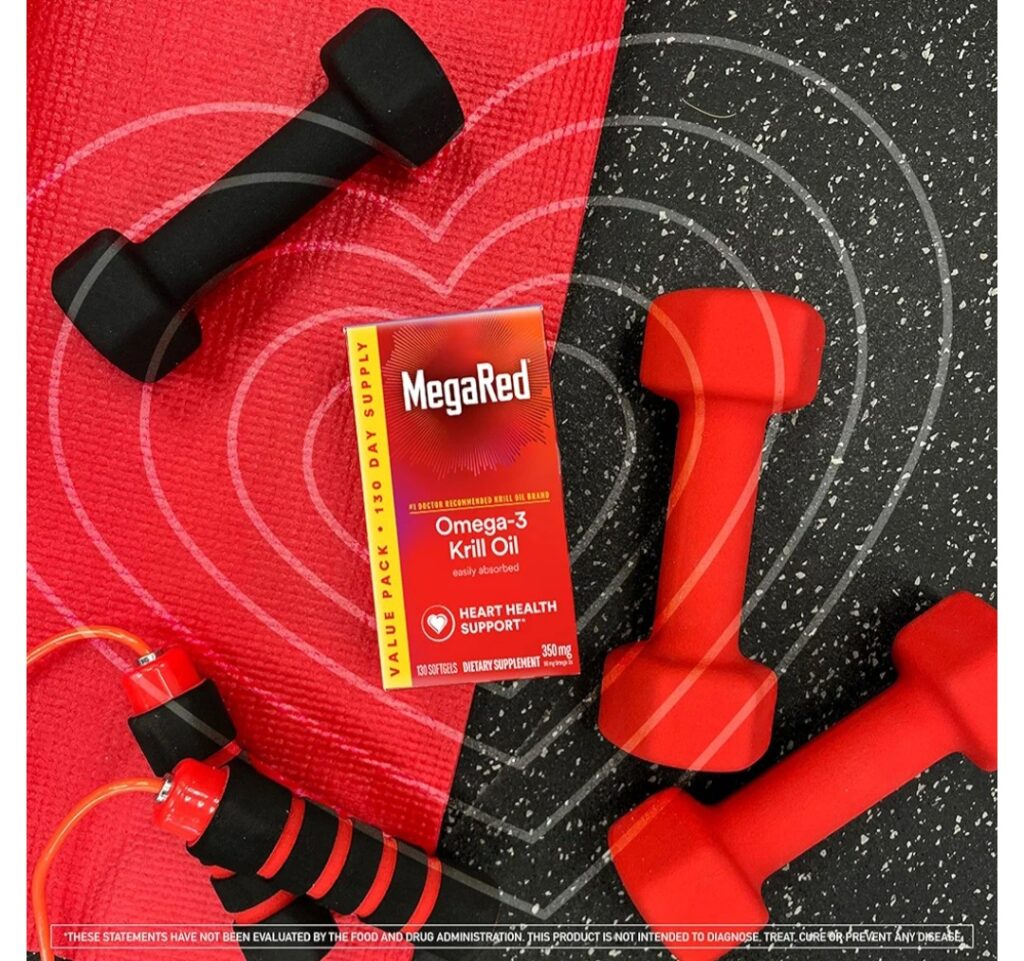
Depression is increasingly associated with systemic inflammation. Diets rich in omega-3 fatty acids, polyphenols, minerals, and whole foods are linked to lower depression rates, while ultra-processed foods strongly correlate with mood disorders.
The brain does not float above the body. It eats what the body eats.
4. Targeted Micronutrients
Low levels of magnesium, zinc, B-vitamins, iron, and vitamin D are consistently associated with depressive symptoms. In several trials, correcting deficiencies improved mood as effectively as antidepressants in mild to moderate depression.
Testing matters. Guessing doesn’t.
5. Saffron (Yes, the Spice)
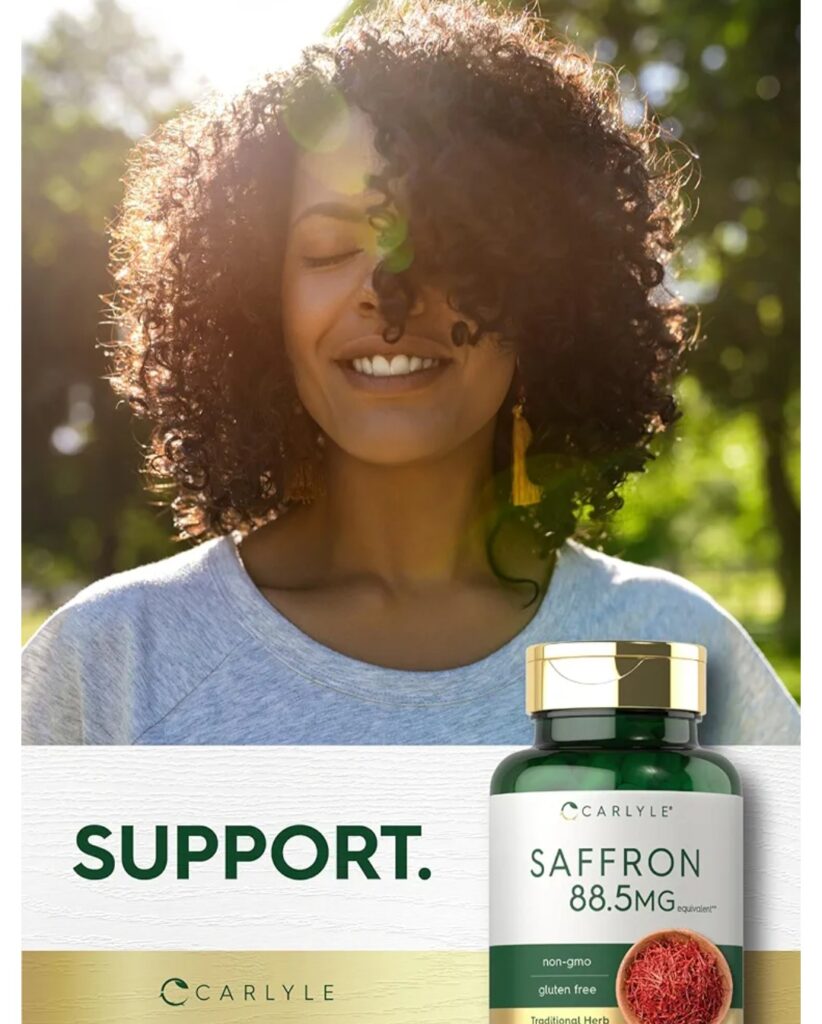
Saffron is one of the most researched natural mood supports available. Multiple randomized controlled trials show saffron extract performs as well as SSRIs like fluoxetine for mild to moderate depression — with far fewer side effects.
Saffron has been shown to:
- Support serotonin and dopamine signaling
- Reduce neuroinflammation
- Improve mood and emotional flexibility
- Support libido rather than suppress it
This isn’t folklore. It’s peer-reviewed science.
6. Diet as Therapy: Removing What Disrupts the Brain
For many people, mood improves not by adding supplements — but by removing irritants that inflame the brain and nervous system.
Research increasingly links depression to gut inflammation, insulin resistance, and metabolic stress. Common dietary triggers include:
- Gluten, which can increase inflammation and gut permeability in sensitive individuals
- High fructose corn syrup, which disrupts insulin signaling and increases neuroinflammation
- Artificial food dyes and fake flavorings, linked to behavioral and mood disturbances
- Seed oils (including vegetable, soybean, corn, and canola oils), which are high in inflammatory omega-6 fats
- Highly processed foods, which alter the gut microbiome and increase depressive risk
Whole, minimally processed foods often improve mood simply by reducing the constant biochemical stress load on the brain.
Sometimes depression lifts not because something was missing — but because something harmful was removed.
7. Psychedelic-Assisted Therapy (Where Legal)
Clinical trials using psilocybin-assisted therapy show rapid and sustained reductions in depression, even in treatment-resistant cases. Unlike antidepressants, these approaches tend to increase emotional range, meaning, and connection rather than blunt them.
This is not recreational use. It is structured, guided, and showing remarkable promise.
A More Honest Way Forward
Antidepressants are not evil. But they were marketed as simple, safe, long-term solutions to complex human suffering — and the data does not support that story.
Depression is rarely just a brain problem.
It’s a nervous system issue.
A metabolic issue.
A gut issue.
A relational issue.
A meaning issue.
Sometimes medication creates breathing room. But lasting healing usually comes from restoring connection, vitality, and agency — not numbing symptoms indefinitely.
For grounded, research-informed wellness conversations that respect both science and lived experience, visit MindBodySpiritLife.com and come back often. Healing is not one-size-fits-all — and it shouldn’t be treated that way.