
10 Practical Ways to Store and Utilize Wood During the Winter Months
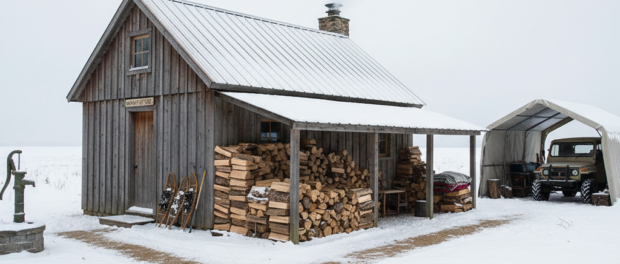
Winter changes how wood behaves, how it should be stored, and how it can be used efficiently. Moisture, freezing temperatures, pests, and limited access all present challenges,but winter is also an excellent season to put stored wood to work productively.
Whether you heat with wood, build projects, live off-grid, or simply want to preserve valuable lumber, understanding winter-specific strategies will help you get the most out of every log, board, and scrap.
Below are ten detailed and comprehensive ways to store and utilize wood effectively during the winter months, with practical guidance suitable for homesteaders, off-grid dwellers, builders, and anyone who relies on wood as a core resource.
1. Stack Firewood Properly for Airflow and Snow Protection
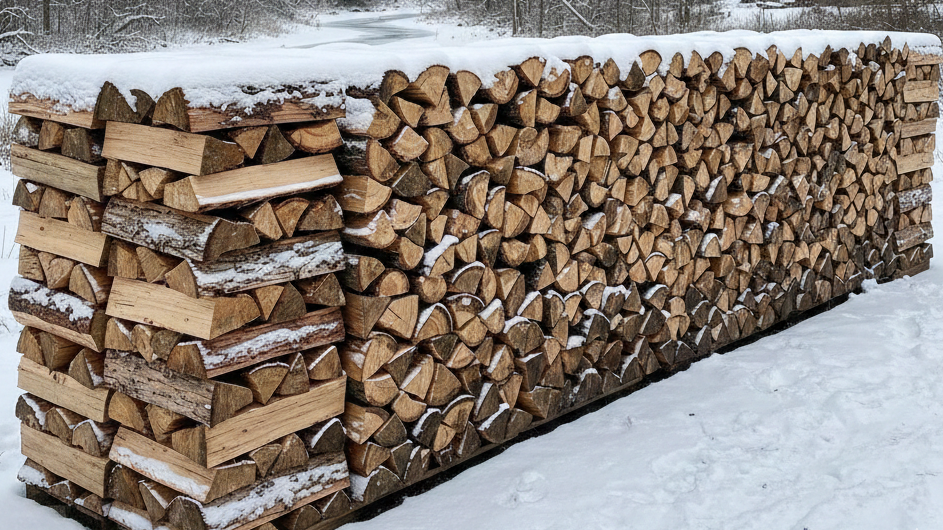
Firewood storage in winter is about balancing airflow with weather protection. Poor stacking traps moisture, encourages mold, and leads to inefficient burning.
Best practices:
- Stack wood off the ground using pallets, rails, or pressure-treated sleepers.
- Orient stacks so prevailing winds can move through them.
- Keep rows narrow (one log deep if possible) for faster drying.
- Cover only the top of the stack with metal roofing, tarps, or boards,never wrap the sides.
Snow is less damaging than rain, but melting snow can soak wood if airflow is blocked. Elevation and ventilation matter more than complete enclosure.
2. Store Indoor Firewood Strategically (Without Inviting Pests)
Bringing wood indoors improves burn efficiency but must be done carefully.
Guidelines for indoor storage:
- Only bring in one to three days’ worth of firewood at a time.
- Shake or knock logs together outdoors to dislodge insects and debris.
- Store wood in a metal rack or bin away from walls.
- Avoid placing wood directly near stoves or heaters where rapid heating can release moisture and insects.
This approach keeps wood dry and warm while minimizing pest issues.
3. Utilize Green Wood for Winter Carving and Crafting
Winter is an excellent time to work green (unseasoned) wood.
Cold temperatures slow cracking and checking, making it ideal for:
- Spoon carving
- Bowl turning
- Tool handles
- Pegs, mallets, and rustic furniture parts
Store green logs or billets outdoors in the shade, partially buried in snow or covered with leaves to prevent rapid moisture loss. If carving indoors, seal ends with wax or glue to slow drying.
4. Convert Scrap Wood into Winter Heat Boosters
Wood scraps often go to waste, but winter is the perfect time to convert them into efficient fuel.
Ideas include:
- Cutting scraps into kindling
- Making fire starters using sawdust and wax
- Compressing sawdust into bricks (manual or hydraulic press)
- Using untreated scraps for rocket stoves or outdoor heaters
Avoid burning treated, painted, or glued wood indoors due to toxic fumes.
5. Build Temporary Winter Wood Shelters
A full woodshed is ideal, but winter often requires temporary solutions.
Effective options include:
- Lean-to shelters with open sides
- Tarp-covered frames with raised floors
- Repurposed livestock panels bent into arches
The key principles are roof coverage, ground separation, and airflow. Even a simple structure can dramatically improve wood quality over winter.
6. Use Wood as Thermal Mass and Insulation
Wood isn’t just fuel,it’s also a useful thermal moderator.
Applications include:
- Stacked firewood along interior walls for thermal buffering
- Thick wooden furniture acting as heat sinks
- Log walls or wood-paneled surfaces slowing temperature swings
While wood is not a primary insulator, its density and slow heat exchange help stabilize indoor environments when paired with proper insulation.
7. Protect Lumber and Boards from Winter Warping
Dimensional lumber and milled boards require special attention in winter.
Proper storage methods:
- Stack boards flat with stickers (spacers) between layers
- Keep lumber under cover but in an unheated space
- Avoid rapid temperature changes
- Weight the top of stacks to prevent cupping
Sudden exposure to heated indoor air can cause cracking. Let lumber acclimate gradually before use.
8. Plan and Pre-Cut Wood for Next Winter
Winter is the planning season.
Tasks that pay off later:
- Bucking logs to length while sap levels are low
- Splitting frozen rounds (often easier due to brittleness)
- Labeling wood stacks by year and species
- Cutting framing lumber or beams for spring projects
Working wood in winter reduces insect damage and positions you ahead of the next heating season.
9. Use Wood Ashes Wisely Instead of Wasting Them
Wood use generates ash,a valuable winter byproduct.
Practical uses include:
- Traction on icy paths
- Soil amendment (in moderation)
- Odor control in composting toilets
- Insulation filler for emergency situations
Store ashes in metal containers only and keep them dry to preserve usability.
10. Maintain Wood Tools and Infrastructure During Winter Downtime
Axes, saws, splitting mauls, racks, and sheds all benefit from winter maintenance.
Winter tasks:
- Oil wooden tool handles
- Sharpen cutting tools
- Repair racks and sheds
- Inspect stored wood for rot or pests
This quiet-season upkeep ensures safety, efficiency, and longevity when spring arrives.
Final Thoughts
Wood is one of the most versatile and forgiving resources available,but only if it’s treated with respect. Winter demands smarter storage, intentional use, and forward planning. When managed correctly, wood provides heat, structure, tools, comfort, and self-reliance even in the harshest months.
By applying these ten strategies, you can protect your wood supply, improve efficiency, and turn winter into a season of productivity rather than scarcity.
If you rely on wood for heat, building, or off-grid living, winter is not a limitation,it’s an opportunity.