
GLP-1 Weight Loss: 10 Aftermath Effects No One Talks About

GLP-1 medications have officially entered the group chat.
Drugs like semaglutide and tirzepatide — originally developed for Type 2 diabetes — are now household names thanks to their powerful weight-loss effects. Clinical trials show average weight reductions of 10%–20% of total body weight, depending on the medication and dosage. That’s not “I cut back on bread” weight loss. That’s “people you haven’t seen in 6 months don’t recognize you” weight loss.
But here’s the part fewer people discuss: what happens after the weight drops?
Let’s talk about the real aftermath — the biological, psychological, metabolic, and social ripple effects — with facts, studies, and just enough humor to keep this from feeling like a pharmacology lecture.
1. Your Appetite Doesn’t Just Shrink — It Rewires
GLP-1 (glucagon-like peptide-1) is a hormone that slows gastric emptying and signals fullness to the brain. Medications mimic this effect, reducing hunger and food “noise.”
Research published in The New England Journal of Medicine showed participants on semaglutide reduced caloric intake by about 35% compared to placebo. That’s significant.
But here’s the aftermath: some people report forgetting to eat. Food becomes… neutral. And while that may sound dreamy, it can also mean undereating protein and nutrients if you’re not intentional.
Less hunger is powerful — but your body still needs fuel. You can’t build a strong, toned, thriving body on vibes and iced coffee alone.
2. Muscle Loss Is Real (If You’re Not Careful)
Studies show that 20%–40% of weight lost on GLP-1 medications can come from lean mass, not just fat.
That means muscle.
Without strength training and adequate protein intake, rapid weight loss may reduce metabolic rate over time. Muscle is metabolically active tissue — it helps you burn more calories even at rest.
Translation: if you lose muscle, your long-term maintenance gets harder.
Resistance training isn’t optional in this equation. It’s protective.
Lift something heavy. Your future self will thank you.
3. Your Metabolism Adjusts (Because Biology Is Smart)
When you lose a significant amount of weight, your resting metabolic rate decreases. This phenomenon, sometimes called “adaptive thermogenesis,” has been documented in weight-loss studies for decades.
Your body doesn’t know you’re trying to look great in a beach photo. It thinks there’s a famine.
So it becomes efficient.
This is one reason discontinuing GLP-1 medications without a lifestyle foundation can lead to weight regain. In clinical follow-ups, many participants regained two-thirds of the lost weight within a year after stopping treatment.
The medication helps. But your habits decide the sequel.
4. Your Relationship With Food Changes
This one is fascinating.
Some patients describe a reduction in obsessive food thoughts. The constant “What’s for dinner?” loop quiets down. That alone can feel life-changing.
Emerging research suggests GLP-1 receptors exist in reward pathways of the brain, including areas linked to dopamine signaling. That may explain why cravings and even alcohol intake decrease in some individuals.
Less compulsion. More neutrality.
But here’s the flip side: if food was a coping tool for stress, boredom, or emotional regulation, that emotional hunger doesn’t disappear. It just loses its favorite outlet.
And that can feel… strange.
5. Loose Skin Becomes a Conversation You Didn’t Expect
Rapid weight loss — whether through surgery, medication, or intensive dieting — can result in excess skin.
The amount depends on age, genetics, rate of loss, and how much weight was lost.
Collagen declines with age, and skin elasticity decreases over time. Losing 50+ pounds in under a year may not give skin enough time to adapt.
This is rarely highlighted in glamorous before-and-after photos.
It’s not failure. It’s physics.
Strength training, hydration, and time can improve tone — but sometimes, surgical removal becomes part of the long-term conversation.
6. Social Dynamics Shift (Yes, Really)
Multiple qualitative studies on weight loss show changes in how individuals are treated socially after significant weight reduction.
Compliments increase. Attention shifts. Assumptions change.
Some people feel empowered.
Others feel unsettled.
It can bring up complicated emotions: Why did people treat me differently before? Who am I now? Do I like this new attention?
Weight loss is physical. Identity shifts are psychological.
Both matter.
7. Digestive Side Effects Don’t Always Disappear
Nausea, bloating, constipation, and delayed gastric emptying are common side effects of GLP-1 medications.
Clinical trials report nausea in up to 40% of participants during dose escalation phases.
For most, symptoms improve over time. For some, they linger.
Slower stomach emptying is part of how the drug works — but it can also increase reflux or fullness discomfort if meals are large.
Smaller meals. Slower eating. Higher-quality choices.
Your digestive system now prefers calm over chaos.
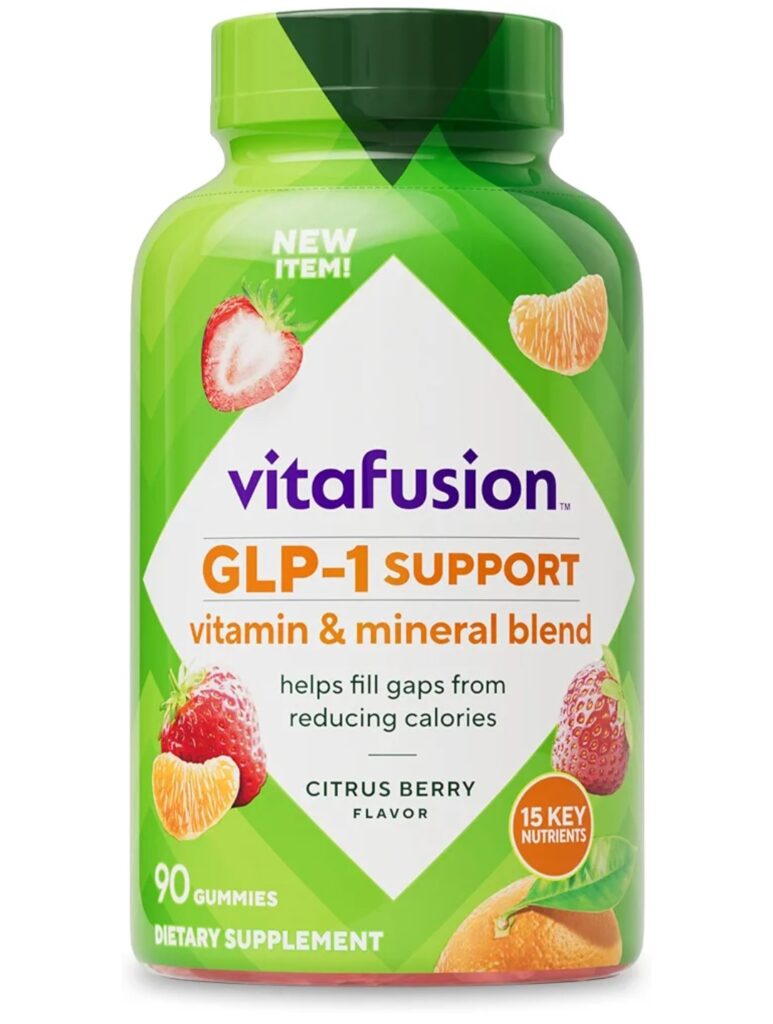
8. Nutrient Deficiencies Can Sneak In
When total food intake drops significantly, micronutrient intake can follow.
Protein, iron, B vitamins, magnesium — all can dip if meals become minimal or repetitive.
Unlike bariatric surgery, GLP-1 medications don’t physically alter absorption, but reduced intake still matters.
The fix isn’t complicated: prioritize nutrient-dense foods. Think lean protein, colorful vegetables, healthy fats, and adequate hydration.
Low appetite doesn’t mean low standards.
9. Mental Health Can Improve — Or Feel Unsteady
Weight loss is often associated with improved self-esteem and quality of life.
But major body changes can also trigger unexpected emotional waves.
Some report increased confidence. Others experience anxiety about maintaining results. A few describe a sense of emotional “flatness” when food reward decreases.
Research into GLP-1’s effect on mood is ongoing. Early data suggest potential benefits for addictive behaviors and impulse control, but long-term mental health effects are still being studied.
Rapid change — even positive change — requires emotional processing.
10. Maintenance Is the Real Plot Twist
Here’s the quiet truth: the hardest part isn’t losing the weight.
It’s maintaining it.
GLP-1 medications are powerful tools. But they’re not magic erasers for lifestyle patterns.
Long-term success depends on:
- Strength training
- Adequate protein intake
- Consistent sleep
- Stress regulation
- Sustainable eating patterns
Without those, stopping medication often leads to regain.
With them, you build resilience.
Weight loss may start with a prescription.
But maintenance requires participation.
So What’s the Takeaway?
GLP-1 medications are one of the most significant advancements in obesity treatment in decades. Obesity is a chronic metabolic disease — not a willpower issue — and these medications have changed lives.
But transformation is never just about a number on a scale.
It’s about muscle preservation. Metabolic adaptation. Emotional recalibration. Social shifts. Identity growth.
And yes… sometimes buying new jeans twice.
If you choose this path, choose it informed. Pair it with strength training. Prioritize protein. Protect your metabolism. Stay hydrated. Check your labs. Support your mind.
Because the real glow-up isn’t just weight loss.
It’s metabolic strength, psychological resilience, and a body that feels powerful long after the medication does its job.
And that? That’s a Mind Body Spirit Life.