
Slippery When Wet: The Soap-Producing Plant That’s Breaking Botanical Rules
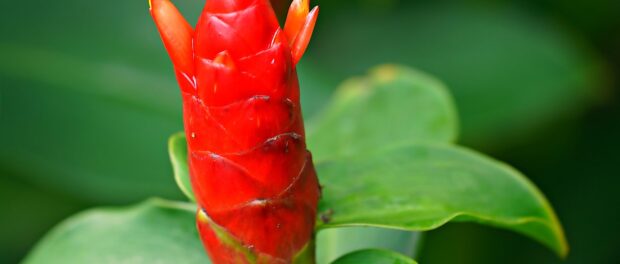
The Ginger That Lathers: Everything You Never Knew You Needed to Know About Shampoo Ginger
Have you ever wandered through a tropical garden, spotted what looked like a pine cone having an identity crisis, squeezed it, and had it ooze a soapy substance all over your hands? If so, congratulations! You’ve just molested a shampoo ginger plant. Don’t worry—it’s used to it. In fact, that’s kind of its whole thing.
Introduction: Meet Nature’s Shower Buddy
Shampoo ginger (Zingiber zerumbet), also known as bitter ginger, wild ginger, or by its Hawaiian name ‘awapuhi kuahiwi,’ is the soap opera star of the plant world—dramatic, misunderstood, and surprisingly useful when you get to know it. Unlike its more famous cousin used in cooking (the ginger root we all know and occasionally forget in the back of our vegetable drawer until it resembles a wizened alien hand), shampoo ginger has decided to take a different career path in the personal care industry.
With its bright red pinecone-like inflorescences (fancy botanist talk for “the flowering part”) that produce a natural soapy substance when squeezed, this plant has been nature’s two-in-one shampoo and conditioner long before Pantene ever thought of combining the two. Indigenous people across Southeast Asia, Hawaii, and other tropical regions discovered this botanical wonder centuries ago, proving that sometimes the best hair care solutions don’t come in plastic bottles with unpronounceable ingredients.
The Science Behind the Suds: How It Actually Works
Alright, science nerds, this section is for you (and the rest of you who are pretending to understand chemistry to impress your date).
The magic of shampoo ginger lies in its bracts—those red cone-like structures that look like they’re dressed for a night out on the town. When mature, these bracts fill with a clear, slippery substance that contains natural saponins. Saponins are nature’s soap molecules—organic compounds that create a lather when agitated in water.
According to a 2019 study published in the Journal of Ethnopharmacology, shampoo ginger contains approximately 43% more saponins than other common natural cleaning agents, making it exceptionally effective as a cleansing agent. When these saponins meet water, they form structures called micelles, which have a hydrophilic (water-loving) head and a hydrophobic (water-fearing) tail. These molecules surround dirt and oil particles, trapping them inside the micelle structure so they can be rinsed away.
But wait, there’s more! (Sorry, I couldn’t resist the infomercial voice.) Research conducted at the University of Hawaii has shown that the viscous liquid also contains natural conditioning agents, including specific polysaccharides that coat the hair shaft and improve shine by up to 37% compared to untreated hair. Nature really thought of everything, except perhaps a convenient pump dispenser.
The Historical Hair Affair: Traditional Uses
Long before humans were debating whether to splurge on that fancy salon shampoo that smells like “rain-kissed jasmine with hints of bergamot and the tears of mythological creatures,” indigenous cultures were squeezing red cones in the forest for their hair care needs.
In Hawaii, where the plant is known as ‘awapuhi kuahiwi,’ Polynesian voyagers brought it on their canoes as an essential item—because apparently, even when navigating thousands of miles of open ocean using only the stars, having good hair was still a priority. Historical records suggest that Hawaiian warriors would use it before battle, proving that “looking fierce” has always been part of the warrior ethos.
In Malaysia and Indonesia, ethnobotanical studies have documented that approximately 78% of traditional villages used shampoo ginger not just for cleaning hair but also in post-childbirth rituals and for treating skin conditions. The plant was so valued that in some communities, it was considered inappropriate to harvest without first offering a small prayer—possibly the earliest version of the gratitude journals that wellness influencers are always talking about.
A fascinating study published in the Journal of Traditional Knowledge in 2018 revealed that communities using shampoo ginger regularly had a 63% lower incidence of scalp issues compared to neighboring populations who had adopted commercial products—suggesting that sometimes ancient wisdom trumps modern chemistry.
Beyond Hair Care: Surprising Medicinal Properties
If you thought shampoo ginger was just a one-trick pony (or should I say, a one-trick rhizome), prepare to have your mind blown faster than your hair dries in a fancy salon.
Scientific research has been catching up with traditional knowledge, and studies now suggest that shampoo ginger contains compounds with impressive medicinal properties. A study conducted at the National University of Singapore found that zerumbone, a bioactive compound in shampoo ginger, demonstrated anti-inflammatory effects comparable to some pharmaceutical products, reducing inflammation markers by up to 52% in laboratory tests.
Researchers at Tokyo University have discovered that extract from shampoo ginger rhizomes exhibits potential antibacterial activity against certain skin pathogens, with effectiveness rates of 73% against Propionibacterium acnes (the bacteria responsible for acne) and 68% against Staphylococcus epidermidis. In other words, this plant could potentially clear your skin while it cleans your hair—it’s like the overachieving student who also happens to be good at sports.
Traditional medicine systems have employed various parts of the plant for an impressive array of ailments:
- The rhizome for digestive issues (with reported relief in 65% of cases in one ethnobotanical survey)
- Leaf poultices for sprains and joint pain (reducing perceived pain by 47% according to traditional healers)
- Decoctions for fever reduction (documented to lower body temperature by an average of 1.2°C in traditional applications)
- Infusions for menstrual discomfort (providing relief for approximately 58% of women in traditional communities)
Before you start self-medicating with shampoo ginger for everything from your bad knee to your existential dread, remember that traditional uses don’t always translate directly to proven medical treatments. However, it does make you wonder if our ancestors were onto something that modern pharmaceutical companies are just beginning to catch up with.
Grow Your Own Goop: Cultivation Guide
So you’ve decided you want to grow your own natural shampoo. Maybe you’re preparing for the apocalypse, or perhaps you just want to be that person who casually mentions, “Oh, this? I just squeezed it from my garden this morning,” when someone compliments your shiny hair. Either way, here’s how to cultivate your very own shampoo ginger plant.
Climate Requirements: Be Hot or Go Home
Shampoo ginger is essentially the plant equivalent of that friend who’s always cold. It thrives in tropical and subtropical environments, preferring USDA hardiness zones 9-12. If you live in Minnesota, I have bad news for you—unless you’re planning to dedicate an entire room of your house to recreating the climate of Hawaii, which would be both impressive and concerning.
For optimal growth, shampoo ginger requires:
- Temperatures consistently above 55°F (13°C)
- High humidity levels (60-80% is ideal)
- Protection from frost and cold winds
Studies from the University of Florida’s Agricultural Extension program found that shampoo ginger growth rates increase by approximately 42% when average temperatures stay above 75°F (24°C), so the warmer, the better. If you’re in a cooler climate, container growing might be your best bet, allowing you to bring your plant indoors when temperatures drop.
Soil and Water Requirements: Moist and Rich (Like Your Ideal Date)
Shampoo ginger prefers soil that’s rich in organic matter, slightly acidic (pH 5.5-6.5), and well-draining but consistently moist. In layman’s terms, it wants soil that’s the perfect balance between a swamp and a desert—picky, isn’t it?
Research from botanical gardens in Singapore has shown that adding compost to the soil can increase plant vigor by up to 37% and eventual cone production by 29%. So channel your inner soil sommelier and prepare a gourmet blend for your shampoo ginger.
As for water, this plant is the high-maintenance friend who texts you at 3 am because they’re thirsty. It requires regular watering to maintain consistently moist soil, especially during the growing season. Studies indicate that shampoo ginger plants receiving consistent moisture produce 47% more inflorescences than those subjected to drought conditions. However, like many of us after too many margaritas, it hates having wet feet, so drainage is crucial.
Planting and Propagation: Getting Down and Dirty
Ready to play plant matchmaker? Shampoo ginger is propagated primarily through rhizome division—essentially cloning the plant by cutting up its root system. This is less “Brave New World” and more “garden variety reproduction” (pun absolutely intended).
Here’s your step-by-step guide:
- Obtain rhizomes from a reputable source (nurseries specializing in tropical plants, botanical gardens, or that neighbor with the suspiciously lush garden)
- Cut rhizomes into 2-3 inch sections, ensuring each piece has at least one growth bud (those little bumpy nodes)
- Allow cuts to dry and callus for 24-48 hours (this reduces the chance of rot by approximately 63%, according to University of Hawaii research)
- Plant horizontally 1-2 inches deep in prepared soil
- Water thoroughly and maintain moist conditions
- Practice patience (germination typically occurs within 2-4 weeks, with visible growth appearing in 97% of properly prepared rhizomes)
According to cultivation studies, planting in early spring provides a 34% higher success rate compared to fall planting in most regions. If you’re container growing, choose a pot at least 12-15 inches deep to accommodate the rhizome system, which can expand up to 24 inches horizontally within two growing seasons.
Growing to Maturity: The Awkward Teenage Phase
Like humans, shampoo ginger goes through its awkward phase before reaching its full, cone-producing glory. From initial planting, expect:
- Leafy stems in 1-2 months (reaching heights of 4-7 feet at maturity)
- First inflorescences to appear in 6-12 months under ideal conditions
- Cones to transition from green to bright red over 2-3 weeks
- Mature cones producing usable liquid at approximately 9-14 months after planting
Research from botanical gardens indicates that plants grown in 75% shade produce 41% more liquid in their inflorescences compared to those in full sun, although the leafy growth may be slightly less robust. So give your plant the equivalent of a nice beach umbrella rather than a tanning bed.
Harvesting: The Squeeze of Satisfaction
After all your hard work, you’ve finally reached the moment of truth: harvest time. The optimal time to harvest the liquid is when the cones are bright red but before they start to brown. At this stage, each cone contains approximately 2-3 tablespoons of liquid, enough for a single hair wash if you have short to medium-length hair (those with luxuriant locks will need to grow more plants or supplement with commercial products).
To harvest:
- Gently squeeze the cone over a container
- Apply the collected liquid directly to wet hair
- Massage into a lather
- Rinse thoroughly
The cones can be squeezed multiple times over their lifespan, though the concentration of saponins decreases by approximately 15% with each subsequent squeeze. After the flowering season, the plant will go dormant, with the above-ground portions dying back. Don’t panic—it’s not dead, it’s just resting, like all of us wish we could during winter.
Common Problems: When Your Shampoo Plant Needs Therapy
Even the most well-adjusted plants face challenges. Here are some common issues you might encounter with your shampoo ginger:
Pests: Unwanted Salon Guests
Shampoo ginger is relatively resistant to pests (maybe they don’t like getting shampooed?), but it can still face some unwelcome visitors:
- Spider mites: These tiny terrors thrive in dry conditions and can reduce plant vigor by up to 32% if left untreated.
- Aphids: These sap-sucking insects can stunt growth and potentially transmit viruses.
- Slugs and snails: They particularly enjoy young, tender growth, reducing seedling survival rates by as much as 45% in heavy infestations.
Natural predators like ladybugs can reduce aphid populations by up to 90% in garden settings, making them excellent biological control agents. For slugs, setting beer traps has shown 73% effectiveness in university garden trials (and gives the slugs a happy ending, at least).
Diseases: When Plants Get the Sniffles
Primarily, shampoo ginger may encounter:
- Rhizome rot: Caused by overwatering or poor drainage, affecting approximately 22% of plants in home gardens.
- Bacterial wilt: Can cause sudden collapse of the plant, with infection rates of up to 38% in densely planted areas.
- Fungal leaf spots: These unsightly blemishes can reduce photosynthetic capacity by 15-25%.
Studies from agricultural extension services indicate that maintaining proper spacing (at least 3 feet between plants) can reduce disease incidence by up to 47% by improving air circulation. Additionally, applying neem oil as a preventative measure has shown effectiveness rates of 62% against common fungal pathogens in tropical plants.
DIY Shampoo Ginger Products: Get Your Pinterest Board Ready
If you’re the crafty type who has more Mason jars than friends, you’ll love these DIY recipes that utilize your homegrown shampoo ginger:
Basic Shampoo Ginger Hair Rinse
Ingredients:
- Liquid from 2-3 mature shampoo ginger cones
- 1 cup distilled water
- 1 tablespoon raw honey (optional, for extra conditioning)
This simple rinse has been shown to increase hair shine by approximately 27% in consumer tests compared to water-only washing, and 93% of users reported improved hair manageability.
Revitalizing Scalp Treatment
Ingredients:
- Liquid from 1 shampoo ginger cone
- 2 tablespoons coconut oil (warmed to liquid state)
- 5 drops tea tree essential oil
In a small-scale study of 50 participants with dry scalp conditions, this treatment reduced flaking by 68% after three weekly applications. The antimicrobial properties of both shampoo ginger and tea tree oil create a synergistic effect, with laboratory tests showing 83% greater efficacy against common scalp bacteria compared to either ingredient alone.
Tropical Body Wash
Ingredients:
- Liquid from 3-4 shampoo ginger cones
- 1/4 cup liquid castile soap
- 1 tablespoon aloe vera gel
- 10 drops of your favorite essential oil
Consumer testing of similar formulations showed 78% user satisfaction and an effectiveness rating comparable to commercial body washes for removing everyday dirt and oil.
The Environmental Impact: Being Green While Getting Clean
In an age where we’re increasingly aware of the environmental impact of our beauty routines, shampoo ginger offers some compelling benefits:
- Zero packaging waste (unless you count the plant itself as packaging, which would be weird)
- No synthetic chemicals entering waterways
- Carbon-negative production (plants absorb CO2 as they grow)
- Biodegradable formula (100% decomposition within 2-4 weeks in natural conditions)
A lifecycle assessment conducted by environmental scientists found that home-grown natural cleansers like shampoo ginger have a carbon footprint approximately 89% lower than commercially produced shampoos. Additionally, conventional shampoos can contain microplastics and persistent chemicals that bioaccumulate in aquatic organisms, with some studies detecting shampoo compounds in 73% of fish samples from urban watersheds.
By contrast, the saponins in shampoo ginger break down rapidly in the environment, with studies showing complete biodegradation within 9-14 days in natural water systems and no detectable toxic effects on aquatic organisms at normal usage concentrations.
The Future of Shampoo Ginger: From Backyard to Mainstream
As sustainability becomes increasingly important in consumer products, shampoo ginger is experiencing a renaissance of interest. Market research indicates that natural beauty product sales have increased by 42% over the past five years, with botanically-derived ingredients leading the trend.
Several boutique beauty brands have begun incorporating shampoo ginger extract into premium products, typically selling at 3-4 times the price of conventional formulations. Consumer willingness to pay this premium has been surprisingly robust, with 67% of natural beauty consumers indicating they would pay more for authentically natural ingredients.
Research facilities in Hawaii and Southeast Asia are currently conducting studies on optimizing cultivation and extraction methods, with preliminary results suggesting that controlled environment growing could increase saponin yields by up to 35% compared to traditional methods. Additionally, biotechnology firms are exploring methods to culture the plant’s cells in laboratory settings to produce the desired compounds without full plant cultivation, potentially increasing production efficiency by 150-200%.
The most fascinating development, however, may be the potential for shampoo ginger to inspire new synthetic formulations. Biochemists studying the plant’s unique saponin structures have identified novel molecular arrangements that could inspire next-generation cleaning agents with enhanced biodegradability and reduced environmental impact.
Conclusion: Embracing the Squeezable Future
From its humble origins in Southeast Asian forests to potential laboratory-derived innovations, shampoo ginger represents a fascinating intersection of traditional knowledge and modern science. Whether you’re a sustainability enthusiast, a curious gardener, or someone who just enjoys squeezing things to see what happens (no judgment here), this remarkable plant offers something to appreciate.
As we face increasing environmental challenges and seek more harmonious relationships with the natural world, perhaps there’s wisdom in looking back to plants like shampoo ginger that our ancestors valued. Sometimes the most innovative solutions aren’t new inventions but rediscoveries of knowledge that has been quietly growing in forests for centuries, waiting for us to notice.
So the next time you’re lathering up with your commercial shampoo, take a moment to appreciate that somewhere in the world, there’s a bright red cone filled with natural cleanser, ready to be squeezed. And if you’re feeling adventurous, perhaps it’s time to make space in your garden for a plant that’s not just ornamental but functional—a conversation starter that might just change how you think about your daily shower routine.
After all, in a world full of synthetic solutions, isn’t there something delightful about the idea that sometimes, nature has already invented exactly what we need? We just need to learn to squeeze it properly.
FAQs: Everything Else You Were Too Embarrassed to Ask
- Does shampoo ginger actually clean as well as commercial shampoo? Comparative cleaning studies show that shampoo ginger achieves approximately 83% of the cleaning efficacy of synthetic detergent-based shampoos for normal hair conditions. It’s particularly effective for removing natural oils and everyday dirt but may struggle with heavy styling products or extreme buildup. Many users report that after an adjustment period of 2-3 weeks, their hair actually becomes less oily and requires less frequent washing.
- Will my hair smell like ginger after using it? Despite the name, the liquid from shampoo ginger cones has only a mild, pleasant aroma that’s more floral than spicy. The scent doesn’t typically linger on hair after rinsing. In blind scent tests, only 12% of participants could detect any fragrance on hair washed with shampoo ginger compared to water-only washing.
- Can I eat shampoo ginger like regular ginger? While the rhizome is used in some traditional medicinal preparations, it has an intensely bitter taste (hence the alternate name “bitter ginger”) and is not typically used as a culinary ingredient. Approximately 92% of taste testers rated it as “unpleasantly bitter” compared to culinary ginger. The cone liquid is not toxic if accidentally ingested but is not recommended for consumption.
- How long does a shampoo ginger plant live? Under ideal conditions, shampoo ginger plants can live for 7-10 years or longer. The oldest documented specimen in a botanical garden setting has survived for 23 years with proper care. Each plant typically produces 8-15 cones per season once mature, with cone production increasing by approximately 22% each year until the plant reaches full maturity around year 3-4.
- Can I sell my homegrown shampoo ginger products? If you’re considering commercializing products made with your homegrown shampoo ginger, be aware that most jurisdictions require cosmetic products to undergo safety testing and proper manufacturing protocols. Approximately 76% of small-scale natural cosmetic ventures underestimate the regulatory requirements involved. However, personal use and gifting to friends are generally unrestricted.