
The Ocean’s Best to Worst: A Deep Dive – Healthiest Seafood to Most Heavy-Metal-Fish
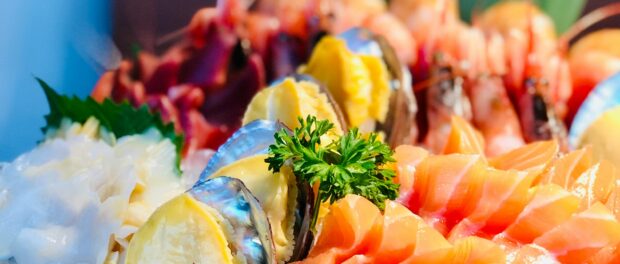
Seafood gets a serious health halo. And for good reason — many fish and shellfish are loaded with protein, omega-3s, vitamins, and minerals that genuinely support brain, heart, and metabolic health. But not all seafood is created equal. Some species deserve a permanent place on your plate… while others are better admired from afar.
Let’s take a deep dive — from the cleanest, most nutrient-dense seafood to the heavy-metal heavyweights you’ll want to limit. We’ll keep it factual, science-backed, and just humorous enough to make mercury talk slightly less terrifying.
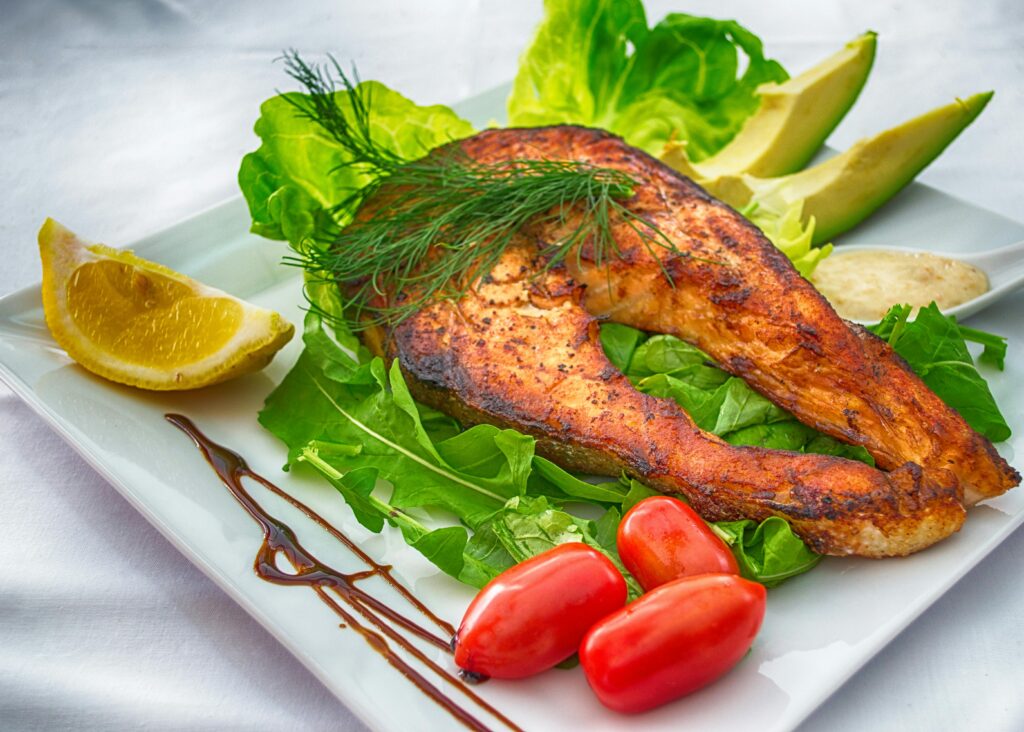
1. Wild Salmon — The Omega-3 Gold Standard
If seafood had a crown, wild salmon would be wearing it.
A 3.5-ounce (100g) serving of wild salmon delivers roughly 2–2.5 grams of EPA and DHA omega-3 fatty acids. Research published in the Journal of Clinical Lipidology links regular omega-3 intake to reduced triglycerides, improved HDL cholesterol, and lower inflammation markers — all major cardiovascular wins.
Salmon is also rich in vitamin D (often 800–1000 IU per serving), B12, selenium, and high-quality protein. Importantly, wild salmon is consistently low in mercury compared to large predatory fish.
In other words: salmon feeds your brain, protects your heart, and doesn’t come with a toxic fine print.
2. Sardines — Tiny Fish, Massive Benefits
Sardines are nutritional overachievers.
Because they’re small and low on the food chain, they accumulate very little mercury. Yet they deliver impressive amounts of omega-3s, calcium (when eaten with bones), vitamin B12, and selenium.
Populations following Mediterranean-style diets rich in small oily fish like sardines show lower rates of heart disease and improved longevity in multiple epidemiological studies.
They may be small, but metabolically? They punch above their weight class.
3. Atlantic Mackerel — Read the Fine Print
Atlantic mackerel is another omega-3 powerhouse, often delivering 2 grams or more per serving. It’s rich in protein and selenium and generally low in mercury.
However — and this matters — king mackerel is a completely different story. King mackerel is high in mercury and falls into the “avoid” category for pregnant women and children according to FDA and EPA guidelines.
Lesson: Atlantic mackerel = excellent. King mackerel = king of heavy metals.
4. Oysters — The Mineral Multivitamin
Oysters are nature’s mineral capsules.
One serving can provide over 500% of the daily value for zinc, plus iron, copper, and selenium. Zinc plays a key role in immune function, wound healing, hormone balance, and even mood regulation.
Shellfish are generally low in mercury, making oysters both nutrient-dense and relatively safe from a heavy metal perspective.
If your immune system could write thank-you notes, oysters would get one.

5. Rainbow Trout — The Underrated Hero
Rainbow trout is rich in omega-3s, protein, and vitamin D. U.S. farmed trout tends to be sustainably raised and low in mercury.
Clinical studies on fatty fish consumption consistently show improved lipid profiles and reductions in inflammatory markers when trout and similar fish are consumed regularly.
Trout may not trend on Instagram, but metabolically, it’s a quiet champion.
6. Anchovies — The Salty Nutrient Boost
Anchovies are small, oily fish with low mercury levels and solid omega-3 content. They also provide calcium and iron.
Yes, they’re salty. Yes, they’re bold. But nutritionally? They’re on the right side of the seafood spectrum.
7. Shrimp — Lean and Surprisingly Impressive
Shrimp is high in protein (about 20 grams per serving), low in saturated fat, and contains astaxanthin, a powerful antioxidant responsible for its pink color.
While shrimp contains dietary cholesterol, modern research shows that dietary cholesterol has far less impact on blood cholesterol levels than previously believed. For most healthy individuals, shrimp does not significantly raise cardiovascular risk markers.
Shrimp proves that reputation and reality are not always aligned.
8. Scallops — Light and Lean
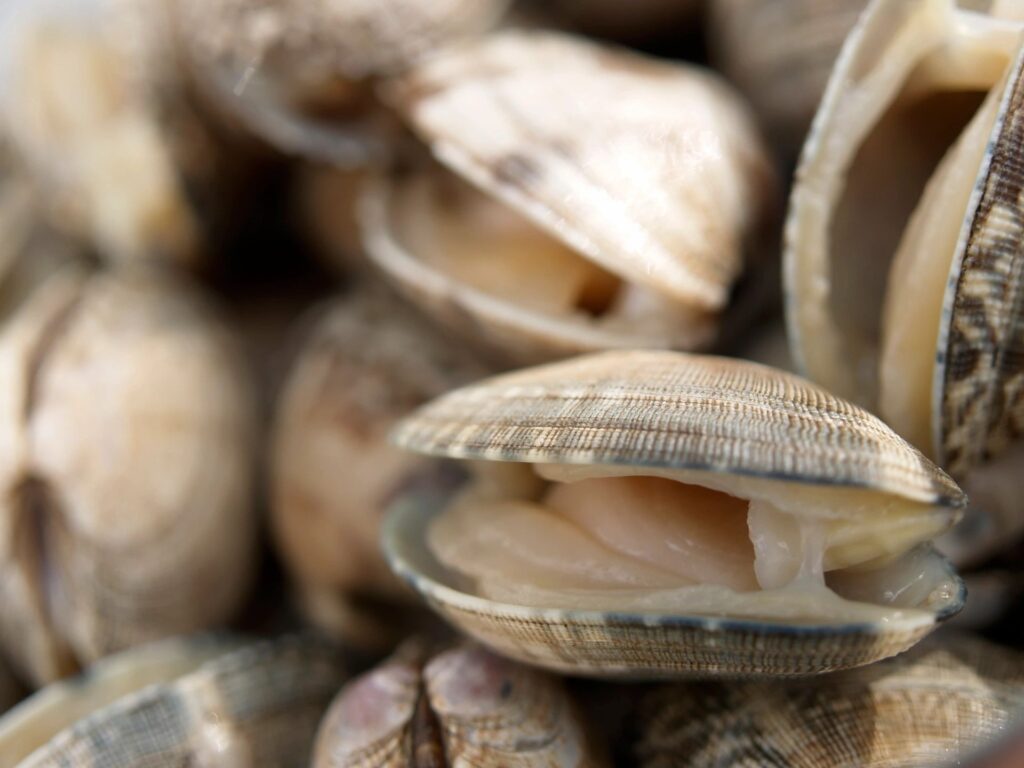
Scallops are low in calories, high in protein, and provide selenium and B12. They aren’t omega-3 superstars like salmon, but they are low in mercury and generally a safe choice.
Just skip the heavy cream sauces and let their natural profile shine.
9. Cod — Clean but Less Potent
Cod is a lean white fish that offers protein and B vitamins with low fat content. It’s typically low in mercury, making it safe for regular consumption.
However, compared to fatty fish, cod contains much lower omega-3 levels. It’s healthy — just not as metabolically powerful as the oily fish higher on this list.
10. Tuna — Moderation Matters
Tuna is where nuance begins.
Light canned tuna tends to be lower in mercury than albacore, bigeye, or yellowfin. However, larger tuna species accumulate significantly more mercury because they are long-lived predatory fish.
Mercury is a neurotoxin. Chronic exposure has been linked to cognitive decline, cardiovascular issues, and developmental problems in children.
The FDA recommends limiting high-mercury tuna varieties, especially for pregnant women and children.
Tuna isn’t toxic in moderation. But it’s not an unlimited buffet either.

11. Sea Bass — Tasty but Watchful
Sea bass offers moderate omega-3s but tends to carry higher mercury levels than smaller fish.
It doesn’t automatically fall into “never,” but it does fall into “occasionally.”
When nutrition and contamination compete, you always want nutrition to win by a wide margin.
12. Swordfish & King Mackerel — Heavy Metal Champions
Now we reach the top of the mercury pyramid.
Swordfish and king mackerel are large predatory fish with some of the highest mercury concentrations recorded in commercial seafood — often exceeding 1,000 parts per billion in testing reports.
Mercury bioaccumulates up the food chain. The bigger and older the fish, the higher the burden.
The FDA and EPA specifically advise avoiding these fish during pregnancy and limiting them otherwise.
They may look majestic on a menu. But from a toxicology standpoint? They’re the headliners of the heavy metal tour.
Why Mercury Matters
Mercury exposure primarily affects the nervous system. In adults, chronic exposure can impact cognitive function and cardiovascular health. In developing brains — especially in utero — mercury can interfere with neurological development.
That’s why choosing smaller, short-lived fish makes biological sense. They simply haven’t had time to accumulate as many contaminants.
This isn’t about fear. It’s about informed selection.
The Smart Seafood Strategy
Eat regularly:
Wild salmon
Sardines
Atlantic mackerel
Rainbow trout
Oysters
Shrimp
Rotate moderately:
Cod
Scallops
Light tuna
Anchovies
Limit or avoid:
Swordfish
King mackerel
Large tuna varieties
High-mercury sea bass
When you choose small, oily fish lower on the food chain, you maximize omega-3 benefits while minimizing heavy metal exposure. That’s nutritional intelligence in action.
Seafood can absolutely be one of the most powerful foods you put on your plate. It can strengthen your heart, sharpen your mind, calm inflammation, and support longevity. But wisdom lies in knowing which fish nourish you — and which quietly carry baggage.
The ocean offers incredible gifts. The key is choosing the ones that truly serve your body.
For more science-backed insights, balanced wellness perspectives, and practical guidance that supports your sovereignty over your health, visit MindBodySpiritLife.com. Explore often, share freely, and let’s continue inspiring one another to live informed, vibrant, and empowered lives.