
Fresh Garden Vegetables: More Nutrient Dense Than Commercial Commodities
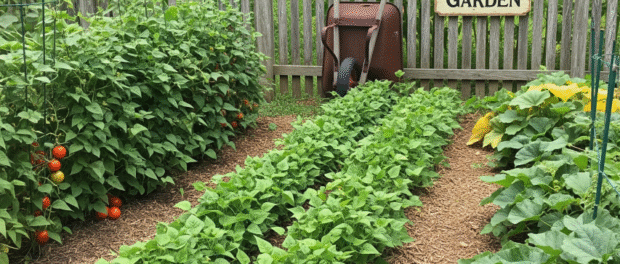
Fresh garden vegetables have long been touted as a key component of a healthy diet, and for good reason. Not only do they provide essential vitamins, minerals, and antioxidants, but they also offer a level of nutrient density that is often unmatched by their commercial counterparts. In this article, we’ll explore the benefits of fresh garden vegetables and why private vegetable gardening is a holistic health practice worth adopting.
Nutrient Density: What Sets Fresh Garden Vegetables Apart
Nutrient density refers to the amount of beneficial nutrients in a food per unit of energy or weight. Fresh garden vegetables are typically more nutrient-dense than commercially grown produce due to several factors. For one, gardeners can choose a diverse range of heirloom and hybrid varieties that are bred for flavor, texture, and nutritional content, rather than shelf life or transportability. This means that garden vegetables often contain higher levels of vitamins A and C, potassium, and fiber compared to their commercial counterparts.
Additionally, gardeners can control the growing conditions, soil quality, and harvesting times to optimize the nutrient content of their crops. For example, leafy greens like spinach and kale are more nutrient-dense when grown in well-fertilized soil and harvested at the peak of freshness. In contrast, commercially grown produce may be picked before it’s ripe and then gassed or ripened during transportation, which can affect its nutrient content.
Benefits of Fresh Garden Vegetables
The benefits of fresh garden vegetables extend far beyond their nutritional value. Eating produce straight from the garden can also enhance the overall dining experience, encouraging a greater appreciation for whole, unprocessed foods. Some of the key benefits of fresh garden vegetables include:
- Higher nutrient content: As mentioned earlier, garden vegetables tend to be more nutrient-dense than commercial produce.
- Better flavor: Freshly harvested vegetables often have more complex and nuanced flavors than store-bought produce.
- Lower pesticide exposure: By growing your own vegetables, you can control the use of pesticides and other chemicals, reducing your exposure to these substances.
- Increased food security: Gardening provides a sense of control over your food supply, allowing you to grow what you need, when you need it.
Private Vegetable Gardening as a Holistic Health Practice
Private vegetable gardening offers a range of benefits that extend beyond nutrition. The physical activity involved in gardening can help improve cardiovascular health, reduce stress, and boost mood. Being outdoors and connecting with nature can also have a profound impact on mental health and well-being.
Furthermore, gardening can be a meditative and therapeutic activity, allowing individuals to cultivate a sense of mindfulness and connection to the natural world. By growing your own vegetables, you’re not only improving your physical health but also nurturing your mental and emotional well-being.
Getting Started with Private Vegetable Gardening
For those interested in adopting private vegetable gardening as a holistic health practice, there are a few key steps to get started. These include:
- Choosing the right location: Select a spot that receives adequate sunlight and has good drainage.
- Preparing the soil: Test your soil to determine its pH level and nutrient content, and amend it as necessary.
- Selecting the right varieties: Choose vegetables that are well-suited to your climate and growing conditions.
- Planting and maintaining: Follow proper planting and care instructions for each crop, and enjoy the process of nurturing your vegetables from seed to plate.
By embracing private vegetable gardening, individuals can take control of their nutritional health, reduce their exposure to pesticides and other chemicals, and cultivate a deeper connection to the natural world. Whether you’re a seasoned gardener or just starting out, the benefits of fresh garden vegetables are undeniable – so why not give it a try?