
4 Ways to Master Autumn Off-Grid: A Practical Guide to Energy Independence and Seasonal Preparedness
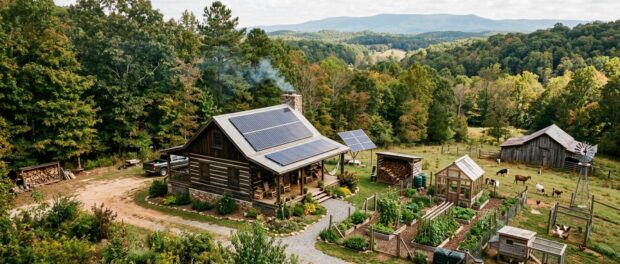
As daylight wanes and cooler air moves across the continent, nature begins its annual shift toward conservation and consolidation. For those who live in traditional structures tied to municipal grids, autumn is often marked merely by adjusting a thermostat or pulling winter coats from a closet. But for those of us who have chosen a life of true self-reliance, living mobile, off-grid, and unconfined, seasonal transitions are an active exercise in conscious resource management and operational sovereignty.
Living off-grid is not about enduring hardship; it is about reclaiming direct stewardship over your environment. When you eliminate reliance on shore power, municipal water mains, and corporate utility networks, you take full responsibility for your baseline needs. Autumn provides the ideal window to audit your systems, refine your routines, and ensure that your setup remains completely self-sustained through the changing seasons.
Whether you operate from a custom mobile setup, a rural homestead staging ground, or a fully independent rig, these foundational principles will help you navigate the seasonal shift with confidence, comfort, and absolute independence.
1. Electrical Stewardship: Managing the Off-Grid Power Reserve
In an off-grid environment, electrical energy is not a passive commodity flowing endlessly from a wall outlet. It is a finite, valuable asset that requires active management. As autumn brings shorter daylight hours and lower sun angles, relying on weather-dependent energy becomes increasingly unpredictable.
True energy independence requires a redundant, weather-agnostic power infrastructure that gives you full control regardless of atmospheric conditions:
- Audit Your Battery Storage: High-capacity lithium (LiFePO4) storage banks excel in efficiency, but cold weather requires attention. Ensure your battery system includes internal heating mechanisms or is housed in a climate-buffered compartment to maintain optimal charging acceptance when ambient temperatures drop.
- Maintain Primary Power Generation: When cloud cover or shaded forest canopies limit alternative inputs, a robust, dependable fuel-based generator, such as an onboard high-output diesel unit paired with a high-capacity inverter and charger, serves as the ultimate engine of autonomy. Perform seasonal maintenance now: check fluid levels, inspect fuel filters, and test load capacities under simulated demand.
- Optimize Inverter Efficiency: Running large AC inversion for small DC loads creates unnecessary parasitic loss. Streamline your daily routine by utilizing native 12V power for lighting, communication, and basic electronics, reserving heavy inverter draws for concentrated, intentional utility periods.
2. Thermal Efficiency and Environmental Draft Management
Heating an off-grid living space efficiently is far more about heat retention than heat generation. Before the first genuine cold front arrives, a thorough audit of your living structure’s thermal envelope will save substantial fuel and effort over the coming months.
- Seal Micro-Drafts: Inspect window frames, door seals, slide-out gaskets, and floor penetrations. In mobile or compact structures, minor air leaks can account for a massive percentage of total heat loss. Replacing worn weatherstripping or applying removable thermal seals creates an immediate improvement in interior climate stability.
- Manage Interior Moisture: Colder exterior temperatures combined with human respiration create the ideal conditions for interior condensation. Proper ventilation is essential. Utilizing powered roof vents on low draw or keeping moisture-absorbing media in closed storage spaces prevents dampness from compromising insulation or air quality.
- Layer Thermal Buffers: Use insulated window coverings or reflective panels during cold nights, opening them during peak sunlight to harness passive solar warmth. Managing your microclimate intentionally keeps your primary heating fuel consumption remarkably low.
3. Water Systems and Fluid Protection
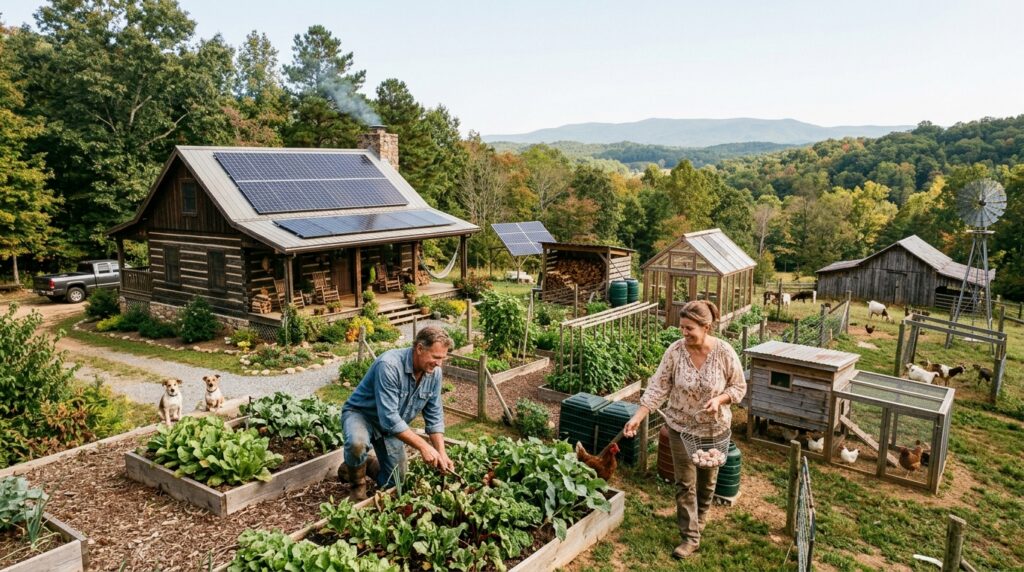
Water is the lifeblood of off-grid self-sufficiency, and frozen supply lines or tanks can instantly turn a comfortable setup into a critical situation. Preparing your water infrastructure for sub-freezing temperatures is a non-negotiable autumn task.
- Protect External Lines and Valves: Ensure that all freshwater holding tanks, gray lines, and discharge valves are properly insulated or equipped with low-draw 12V heat tape if operating in freezing climates. Never leave external hoses connected or filled with standing water overnight.
- Monitor Holding Tank Capacities: Cold weather makes dumping and sourcing fresh water less convenient. Maintain an accurate awareness of your freshwater reserves and waste tank levels (fresh, gray, and black), establishing a routine that prevents emergency travel in adverse weather simply to service utilities.
- Keep Emergency Reserves Internal: Always store a secondary supply of drinking water inside the heated perimeter of your living space. Should primary distribution lines freeze temporarily during an unexpected temperature dip, your baseline hydration remains completely uninterrupted.
4. Seasonal Travel Patterns and Environmental Selection
One of the greatest advantages of a mobile off-grid lifestyle is the inherent freedom to adapt your location to the climate. Rather than battling severe winter elements, true sovereignty lies in aligning your physical presence with environments that support health, natural living, and ease of operation.
- Chasing the Sun: Planning autumn travel routes toward temperate southern or southwestern regions allows you to maintain an unconfined, outdoor-oriented lifestyle year-round. Publicly managed lands, such as long-term visitor areas in the desert Southwest, offer vast open spaces ideal for extended off-grid stays.
- Selecting Ground and Position: When choosing a site for the season, evaluate topography and exposure. Positioning your setup to maximize southern sun exposure provides natural warmth and natural lighting, while utilizing land formations or timber lines as windbreaks shields your rig from harsh autumn gusts.
- Ground Connection and Personal Vitality: Remaining connected to the earth, maintaining direct barefoot contact with natural terrain whenever possible, keeps the nervous system grounded and adapted to ambient environmental shifts. Living naturally means moving with the season, not hiding from it behind artificial barriers.
Independence as a Daily Practice
Off-grid living is far more than a set of mechanical systems; it is a philosophy of self-ownership. It is the conscious rejection of helpless dependence on centralized infrastructure in favor of personal responsibility, direct experience, and absolute freedom.
By taking the time this autumn to inspect your equipment, optimize your energy storage, protect your water systems, and align your living space with the natural rhythms of the season, you ensure that your independence remains uncompromised. True freedom is not given; it is built, maintained, and lived every single day.
Key Takeaways for the Sovereign Nomad
- Energy: Rely on robust, weather-independent power systems, and perform seasonal fluid and filter maintenance early.
- Thermal: Seal structural drafts, and manage interior moisture to maximize heat retention with minimal fuel.
- Water: Protect distribution lines from freezing, and maintain internal emergency water storage.
- Mobility: Harness geographic freedom to travel with the climate, choosing seasonal locations that support open, natural living.